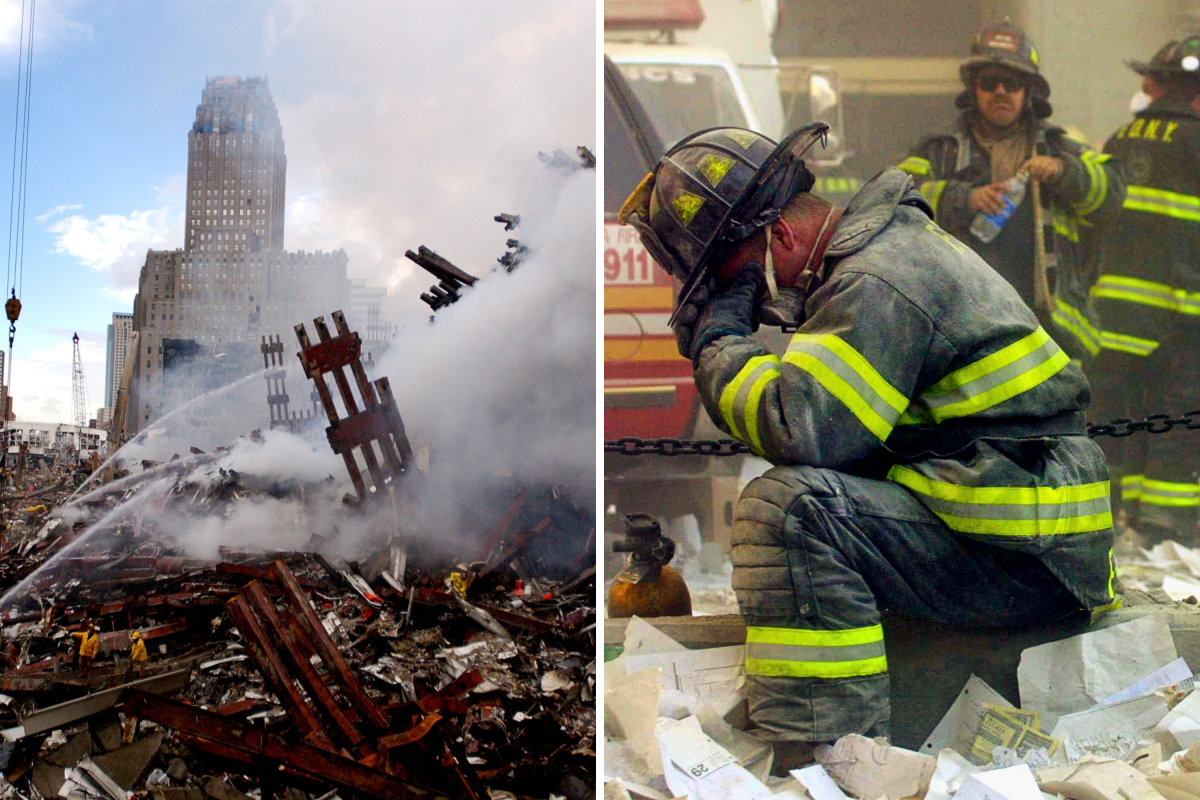
25 Years After 9/11, Study Finds Lasting Impact on Responders’ Brains
Summary
A new study finds that first responders to the 9/11 attacks may have brains that age faster than their bodies, especially those with long-term post-traumatic stress disorder (PTSD). Researchers used MRI scans and artificial intelligence to estimate brain age and found that responders with PTSD had brains about three years older than their actual age.Key Facts
- The study focused on first responders who helped at the World Trade Center site during and after 9/11.
- Researchers analyzed brain scans from 99 responders in their mid-50s using an AI tool called BrainAgeNeXt.
- Responders with PTSD had brains that looked older than their real age by about three years on average.
- Responders without PTSD had brains that appeared slightly younger than expected.
- The longer the responders worked at Ground Zero, the stronger the link between PTSD and accelerated brain aging.
- Around 23% of 9/11 rescue and recovery workers suffer from persistent, significant PTSD.
- Responders faced toxic dust and debris exposure along with psychological trauma.
- Experts say trauma can keep the brain on high alert, which may cause faster aging and long-term health effects.
Read the Full Article
This is a fact-based summary from The Actual News. Click below to read the complete story directly from the original source.