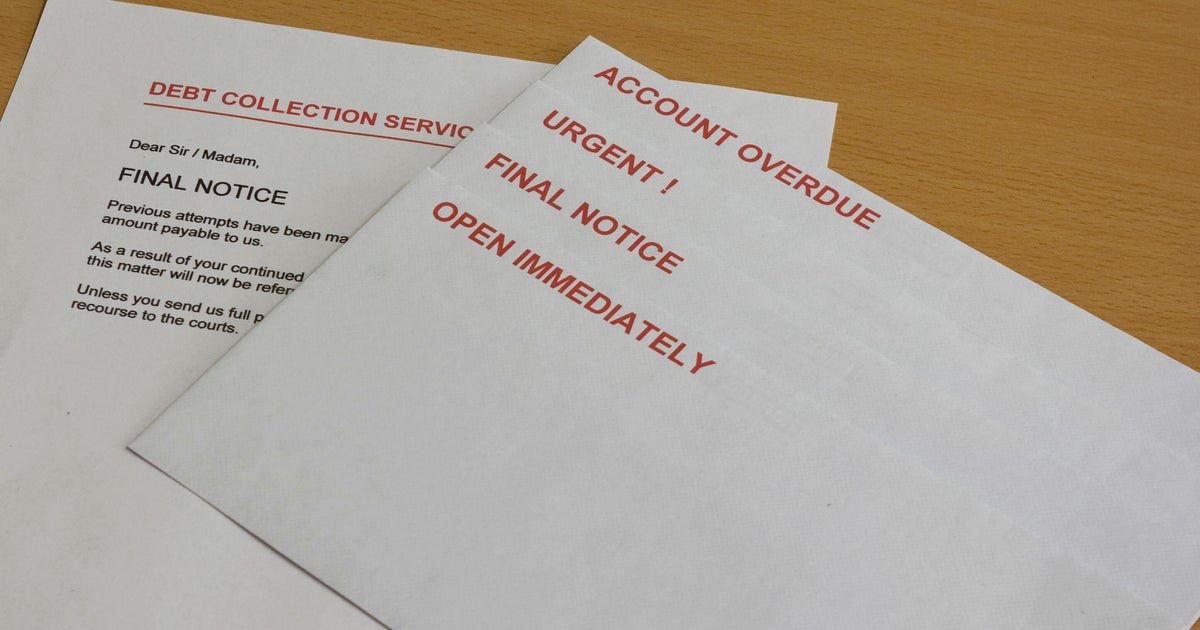
How does a debt collector find your employer?
Summary
Debt collectors can find information about where you work in several ways, including checking records they already have or asking other people for "location information." They are limited by federal rules about what they can ask or say when trying to find your employer. Before a collector can take money directly from your paycheck, they usually must sue you and win a court judgment.Key Facts
- Debt collectors may have your employer’s information if it was included in the records they obtained when buying or taking over your debt.
- They can use public records or commercial databases to find or confirm employment details.
- Federal law lets debt collectors ask third parties for "location information," such as your workplace, but they can’t reveal that you owe money.
- Debt collectors generally cannot repeatedly contact third parties for this information unless allowed by law.
- Collectors must stop contacting you at work if your employer forbids it or if you tell them not to call there.
- Finding your employer does not mean immediate wage garnishment; debt collectors need a court judgment first for most debts.
- Wage garnishment requires a legal order that tells your employer to withhold part of your paycheck to pay the debt.
- State laws and the type of debt can affect the wage garnishment process.
Read the Full Article
This is a fact-based summary from The Actual News. Click below to read the complete story directly from the original source.