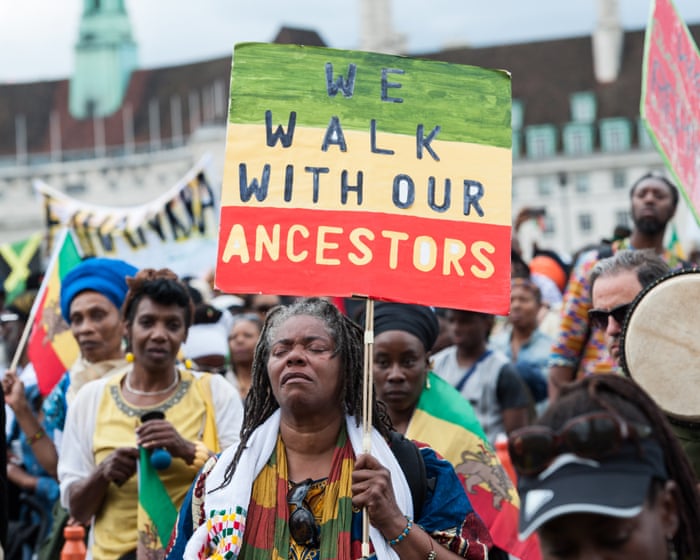
Countries legally obliged to consider slavery reparations, says UN committee
Summary
A United Nations committee says countries have a legal duty to consider reparations for the transatlantic slave trade and address ongoing racial discrimination. This duty comes from a 1965 treaty against racial discrimination, not from laws at the time of the slave trade.Key Facts
- The UN committee on the elimination of racial discrimination (CERD) released guidance stating countries must act on reparations.
- The obligation is based on the 1965 international convention against racial discrimination.
- At least 12.5 million Africans were forcibly taken and sold between the 15th and 19th centuries.
- The committee calls for comprehensive reparations, including financial compensation and broader measures like revising memorials and truth commissions.
- Some countries argue they are not responsible because the slave trade was not illegal at the time, but the UN rejects this view.
- The European Union and Britain did not support a recent UN resolution on slavery reparations.
- Reparations should go beyond apologies and include concrete policy changes to fix structural inequalities.
- A UN expert from Liberia said countries should take meaningful action to honor the dignity of affected people.
Read the Full Article
This is a fact-based summary from The Actual News. Click below to read the complete story directly from the original source.


