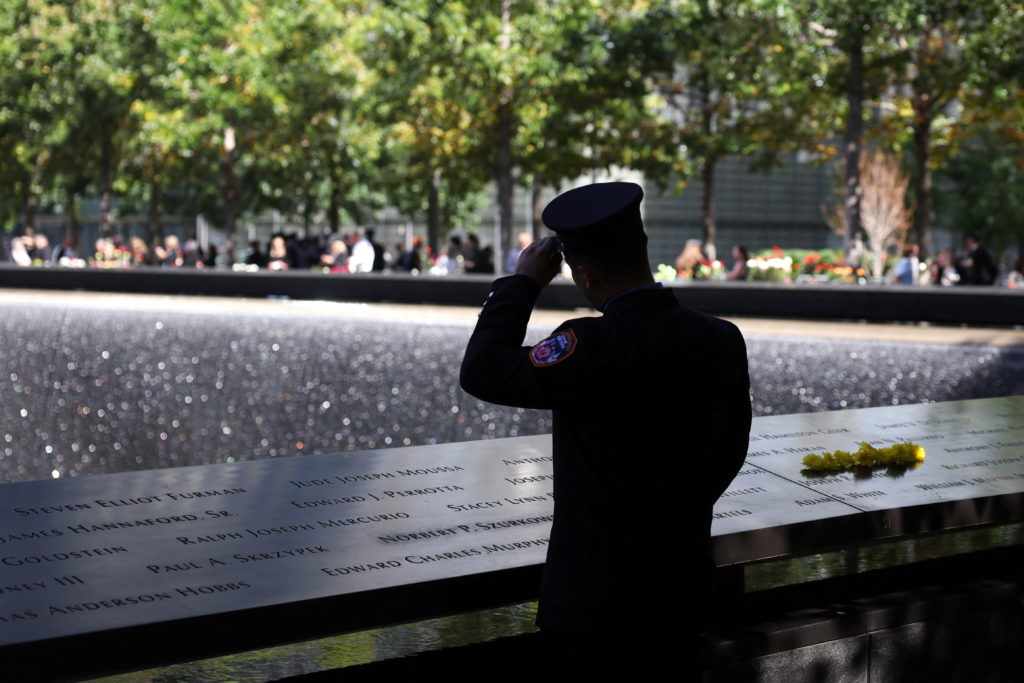
Decades after 9/11, toxic dust and PTSD may be accelerating brain aging among first responders
Summary
Research on 9/11 first responders shows that the trauma and toxic dust they experienced may cause their brains to age faster, leading to problems like memory loss and dementia. Post-traumatic stress disorder (PTSD) affects many of these responders, and those with higher exposure to dust and debris have higher rates of cognitive decline.Key Facts
- About 23% of World Trade Center first responders have been diagnosed with PTSD.
- PTSD is a mental health condition triggered by experiencing or witnessing traumatic events.
- Symptoms of PTSD include intrusive memories, mood changes, sleep problems, and anxiety.
- First responders with strong exposure to toxic dust at Ground Zero showed higher rates of dementia before age 65.
- Protective equipment like respirators can reduce harmful exposure to toxic dust.
- Research tracked over 5,000 responders without dementia and found 228 developed dementia in about five years.
- Physical illness, cognitive problems, and emotional distress often happen together in these responders.
- Similar health risks may affect first responders in other disasters involving toxic substances and trauma.
Read the Full Article
This is a fact-based summary from The Actual News. Click below to read the complete story directly from the original source.