Iran seeks more control of Strait of Hormuz as oil prices climb
Summary
Iran’s new security chief said the country will set up a restricted area near the Strait of Hormuz to control ships passing without Iran’s permission. This comes after the U.S. struck three Iranian oil tankers, leading to threats from Iran of stronger retaliation. Oil prices have risen, and gas costs in the U.S. are at record levels for Labor Day weekend.Key Facts
- Iran plans to create an “exclusion zone” near the Strait of Hormuz to stop unauthorized ships.
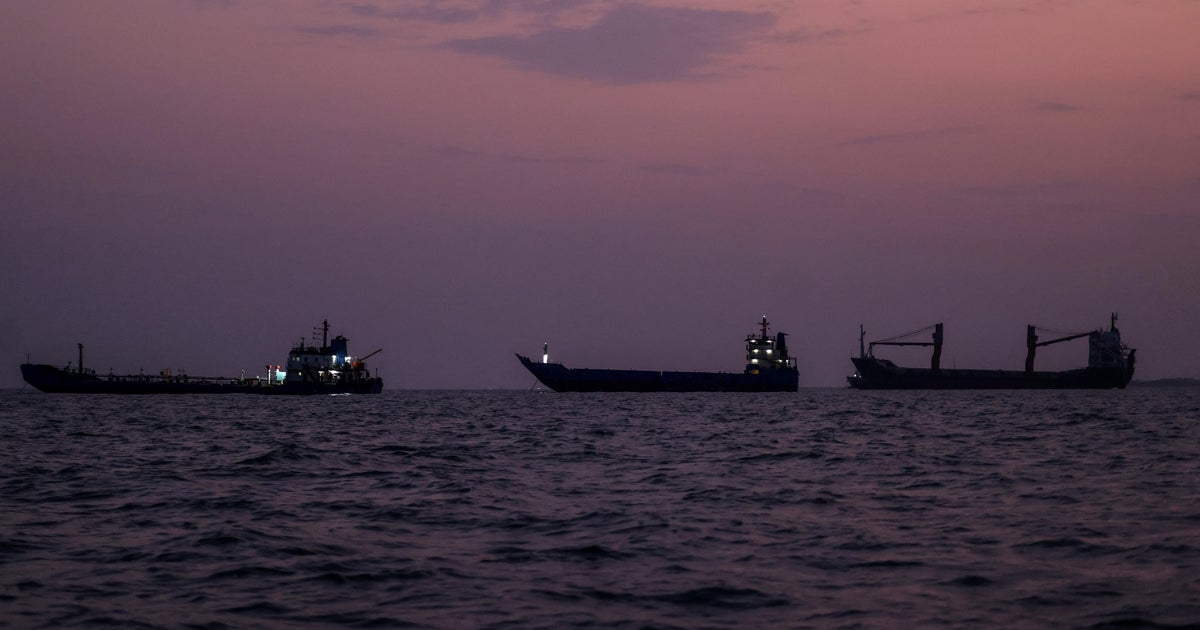
- The U.S. recently disabled three Iranian oil tankers in the Persian Gulf and Gulf of Oman.
- Iran responded by threatening more intense and faster retaliation against U.S. attacks.
- The head of Iran’s Supreme National Security Council, Mohsen Rezaei, announced the plan for the exclusion zone.
- Brent crude oil prices increased to $96.95 per barrel amid these tensions.
- U.S. gas prices averaged $4.14 per gallon just before Labor Day, nearly $1 higher than last year.
- The Strait of Hormuz is a key waterway for global oil supply, and traffic through it has dropped recently.
- U.S. officials stated they will defend American forces and strike Iran’s oil fleet if attacked again.
Read the Full Article
This is a fact-based summary from The Actual News. Click below to read the complete story directly from the original source.