China Falls Victim To Own Secrecy After Nepal’s Deadly Floods
Summary
A deadly flood caused by a glacier collapse on the Nepal-Tibet border killed over 1,300 people and left many missing. The disaster highlighted concerns about China’s hydropower projects and lack of transparency on environmental data, which affected flood warnings and information sharing with Nepal.Key Facts
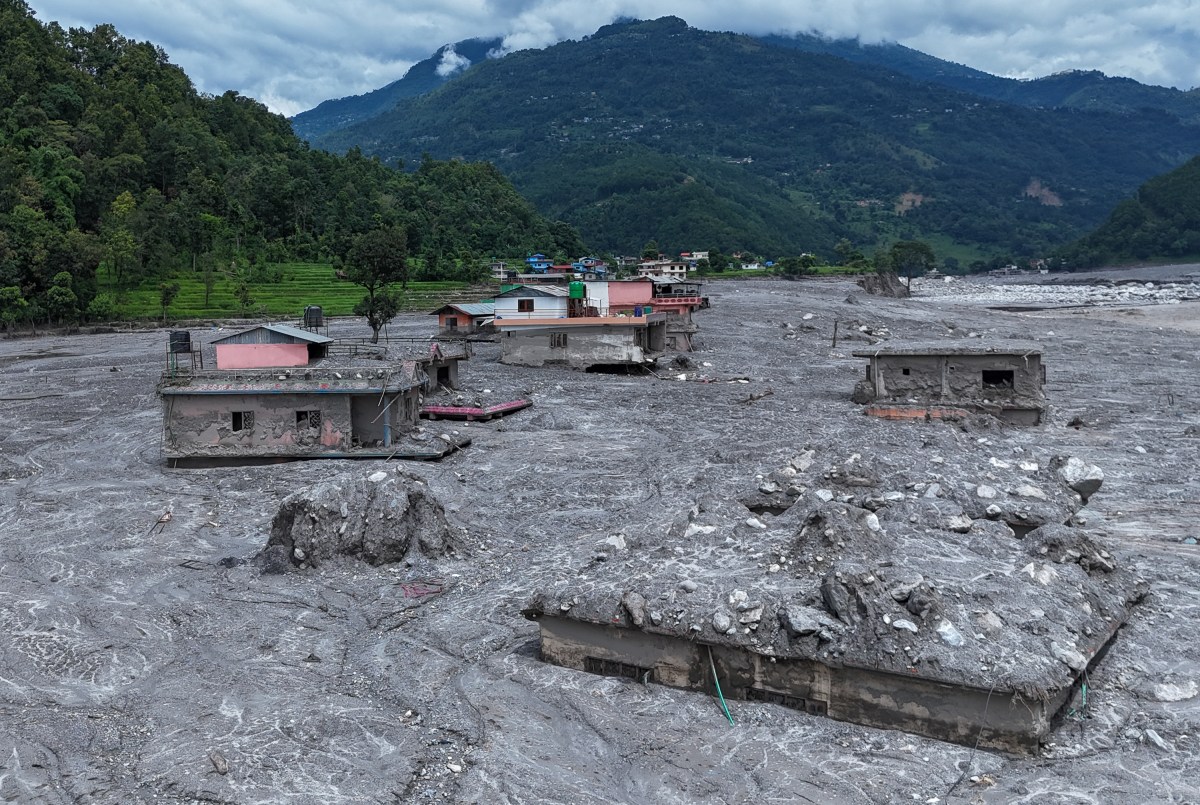
- The flood happened on August 26 due to a collapsing glacier in the Langtang Lirung mountain area.
- Over 1,300 people died, and thousands more were missing, including many Americans.
- The debris from the glacier traveled 62 miles down into central Nepal along the Lhenda and Trishuli rivers.
- China has no hydropower stations directly upstream but built bridges and roads in the area, which may have influenced the flow of debris.
- Satellite images showed major destruction, including damage to the Chinese border port at Gyirong.
- Chinese social media censored many flood videos, allowing only state-approved content.
- China delayed allowing foreign media access to the affected area for 11 days.
- Nepal had requested environmental monitoring data from China three months before but did not receive it.
- Experts say China’s secrecy and lack of data sharing can affect other countries and call for more transparency and accountability.
Read the Full Article
This is a fact-based summary from The Actual News. Click below to read the complete story directly from the original source.