How Three Super El Niño Forecasts Compare
Summary
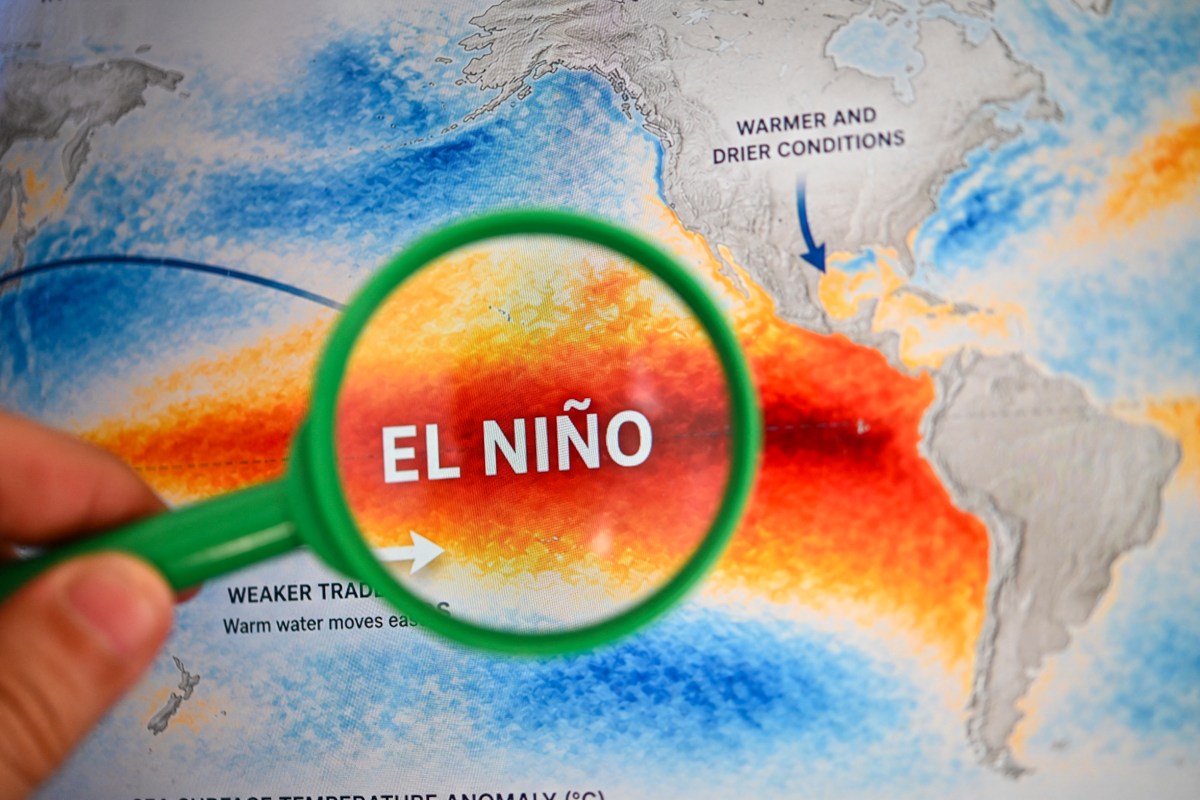
El Niño, a climate pattern that warms the tropical Pacific Ocean, is becoming very strong and may reach record levels by the end of 2026. This change could affect global weather through 2027, causing shifts in storms, rainfall, and temperatures in many regions.Key Facts
- El Niño is the warm phase of a natural Pacific climate cycle called ENSO.
- NOAA predicts more than a 90% chance of a very strong El Niño in fall and winter 2026-27.
- NOAA says there is a 69% chance this El Niño could be the strongest since 1950.
- The World Meteorological Organization expects El Niño to peak late in 2026 and last into 2027.
- El Niño can cause stormier weather in the southern U.S. and drier conditions in some northern areas.
- AccuWeather warns that global temperatures in 2027 may be the warmest on record if El Niño strengthens further.
- El Niño affects hurricane activity, with stronger El Niño linked to more wind shear that usually reduces Atlantic storms.
- The effects of El Niño vary by place and season and can be influenced by other climate factors.
Read the Full Article
This is a fact-based summary from The Actual News. Click below to read the complete story directly from the original source.