Babies born to anaemic mothers have smaller brains, study finds
Summary
A study found that babies born to mothers with anaemia have smaller brains, especially in areas important for movement, learning, and emotions. These brain differences appear by one year old and may cause thinking and learning problems when children start school.Key Facts
- Anaemia in mothers means they have fewer red blood cells, often due to iron deficiency.
- Over one-third of pregnant women worldwide have anaemia, especially in sub-Saharan Africa and South Asia.
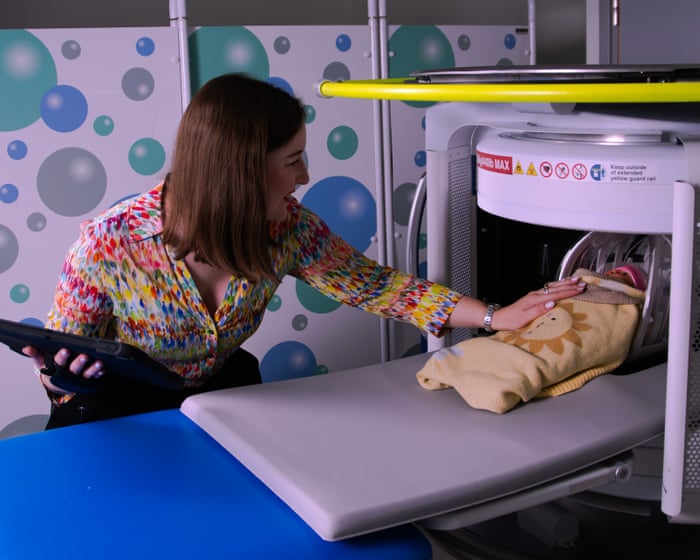
- Researchers studied over 300 mothers and babies in Cape Town, South Africa, using brain scans from 3 months to 2 years old.
- Babies of anaemic mothers had brains about 4% smaller on average, even when mothers had mild anaemia.
- The brain regions affected include the putamen, caudate nucleus, and corpus callosum, areas linked to movement, emotion, and thinking skills.
- The brain size gap between babies of anaemic and non-anaemic mothers grew larger by age 2.
- Brain differences persisted in children up to six years old, potentially affecting their learning at school.
- The study suggests screening and treating anaemia in pregnant women is important, using methods like iron supplements and managing infections such as HIV.
Read the Full Article
This is a fact-based summary from The Actual News. Click below to read the complete story directly from the original source.