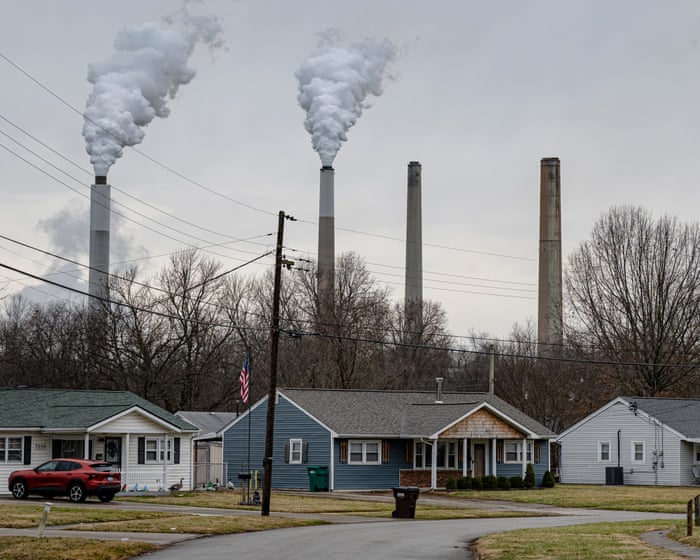
Chemical industry backed laws in three US states to restrict use of air pollution data
Summary
In three US states—Louisiana, Kentucky, and Ohio—new laws restrict the use of air pollution data collected by low-cost community sensors unless it comes from expensive, EPA-approved equipment. These laws limit citizens’ ability to hold polluters accountable as government air-monitoring networks shrink and fail to cover many pollution sources.Key Facts
- Louisiana, Kentucky, and Ohio passed laws stopping regulators from using air-quality data from inexpensive community sensors.
- These laws require data to come only from costly equipment approved by the Environmental Protection Agency (EPA).
- Similar bills in West Virginia have failed after chemical industry opposition.
- The chemical industry argues that community-collected data is unreliable for enforcement.
- A decrease of over 35% in federal grants and almost half the number of government air monitors nationwide has weakened public monitoring.
- Nearly 60% of US counties currently have no public air pollution monitors.
- Many government monitors miss the most dangerous pollutants released by nearby industrial facilities.
- Community groups like the Louisiana Environmental Action Network tried to use low-cost sensors to fill monitoring gaps but faced limited funding and legal barriers.
Read the Full Article
This is a fact-based summary from The Actual News. Click below to read the complete story directly from the original source.