Scrap windfall tax on oil and gas firms early, North Sea industry urges
Summary
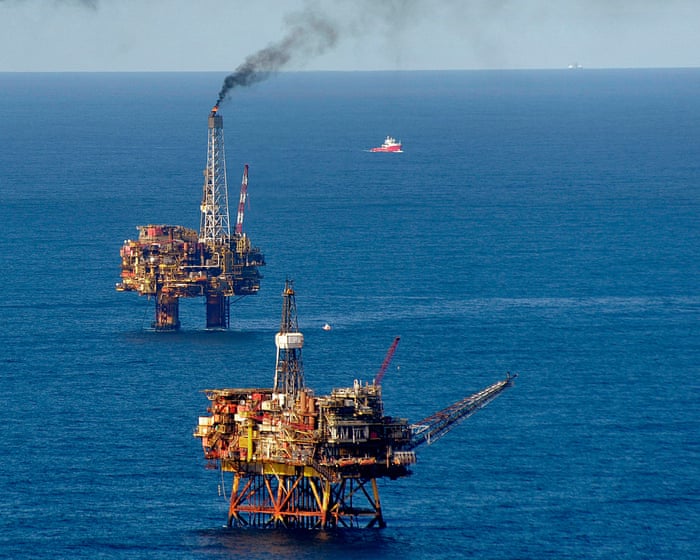
The North Sea oil and gas industry is asking the UK government to end the current windfall tax on fossil fuel companies three years early, in 2027 instead of 2030. They want a simpler tax that applies only during times of high prices to encourage investment and support jobs, while also pushing for approval of major new oil and gas fields.Key Facts
- The current windfall tax, called the energy profits levy, started in 2022 after oil and gas profits rose due to the Russia-Ukraine conflict.
- The planned new tax, the oil and gas revenue levy, will only tax revenues when prices exceed a certain high level.
- Energy bills in the UK are expected to reach their highest point since the Russia-Ukraine war this winter because of ongoing global conflicts like the Iran war.
- The industry group Offshore Energies UK (OEUK) wants to replace the tax earlier, in 2027, with a narrower tax during price spikes.
- OEUK says this change could lead to £50 billion in new investment and protect jobs in the North Sea oil and gas sector.
- OEUK also wants government approval for new oil and gas projects, including the Rosebank and Jackdaw fields, to reduce dependence on imported gas.
- Some campaign groups and unions oppose easing the tax, arguing it would reduce funds to support people facing high living costs.
- OEUK projects that the earlier tax change could increase overall tax revenue by up to £14.9 billion over the next decade, much of it from the new jobs created.
Read the Full Article
This is a fact-based summary from The Actual News. Click below to read the complete story directly from the original source.