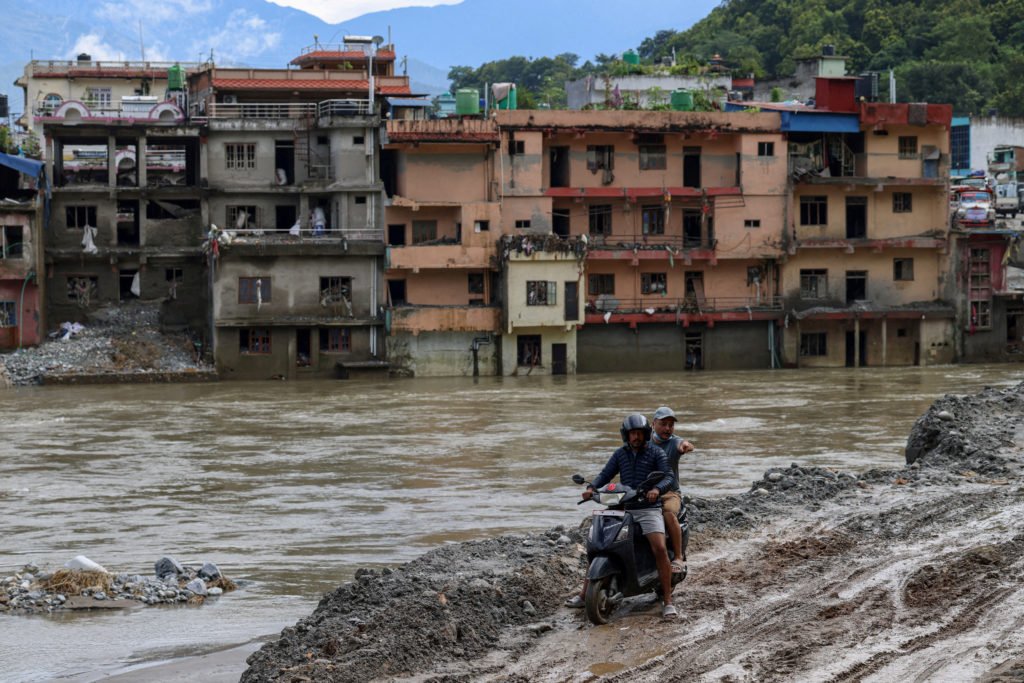
Climate change had major role in triggering Nepal floods, scientists say
Summary
Scientists say climate change played a key role in a deadly mountain collapse in Nepal and Tibet last month, which killed over 1,400 people and left thousands missing. The disaster was caused by a mix of warming temperatures, melting glaciers, thawing frozen ground, and unstable mountain slopes.Key Facts
- A large part of rock and glacier broke off Langtang Lirung mountain on August 26, causing floods of water, ice, and debris.
- The World Weather Attribution group reported that the disaster was due to long-term climate effects, not just one weather event.
- July and August recorded temperatures about 5°C (9°F) higher than normal in the area.
- Melting glaciers and thawing permafrost (permanently frozen ground) have weakened mountain slopes.
- An earthquake in 2015 might have also weakened the mountain, but its exact impact is unclear.
- Nepal has about 6,150 people still missing and over 1,400 bodies found after the disaster.
- The government estimates rebuilding costs at $4.78 billion.
- Nepal’s Prime Minister will speak at the United Nations about the urgent need to address climate change and disaster recovery.
Read the Full Article
This is a fact-based summary from The Actual News. Click below to read the complete story directly from the original source.