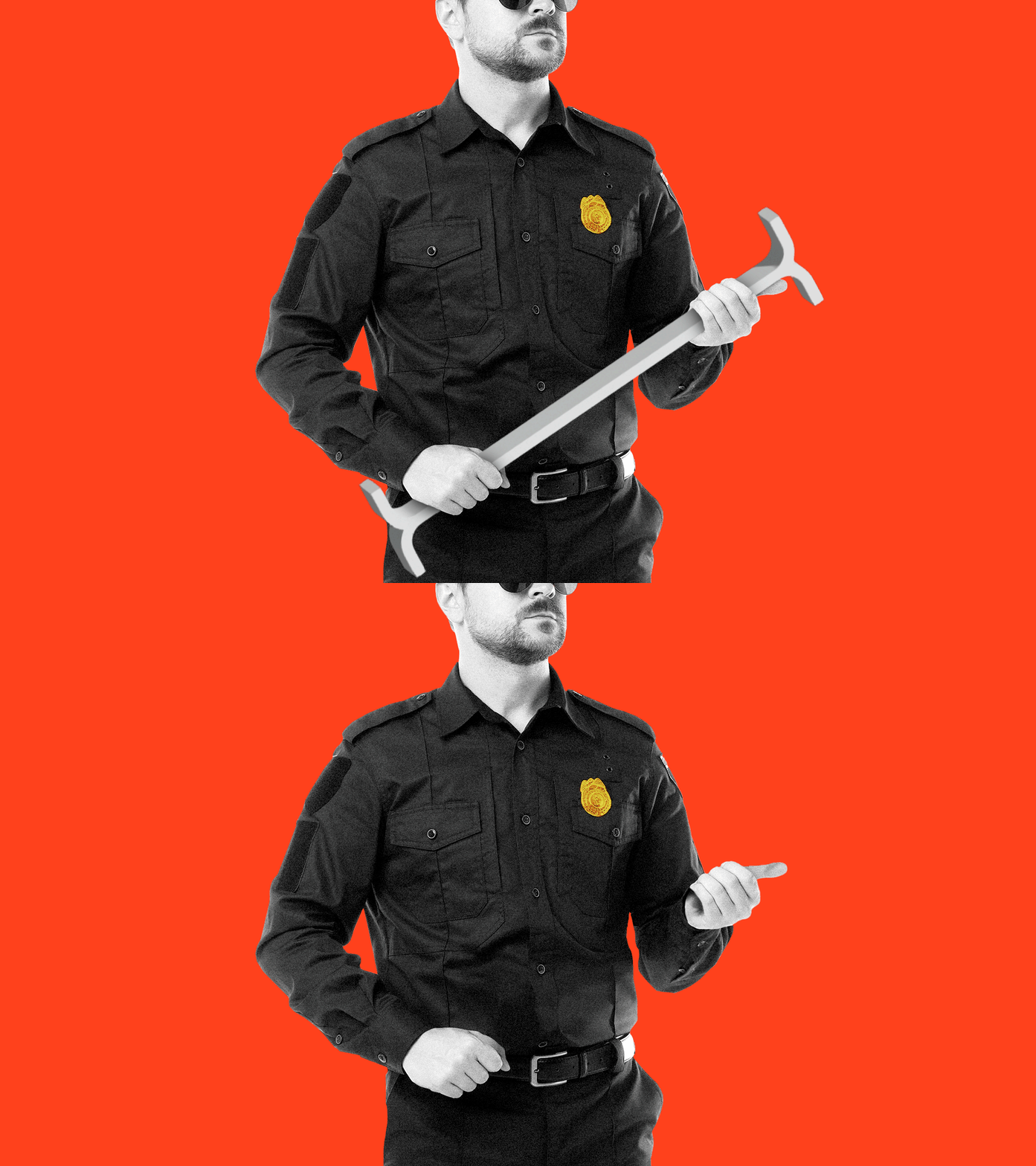
Inside the scramble for trusted AI cops
Summary
Many companies, experts, and the White House are working on ways to regulate artificial intelligence (AI) to make it safer and more trustworthy. Right now, there is no strong government regulation, so companies are trying to police themselves and decide who will check if AI systems are safe while waiting for official rules.Key Facts
- The White House prefers a voluntary approach where AI companies monitor their own technology.
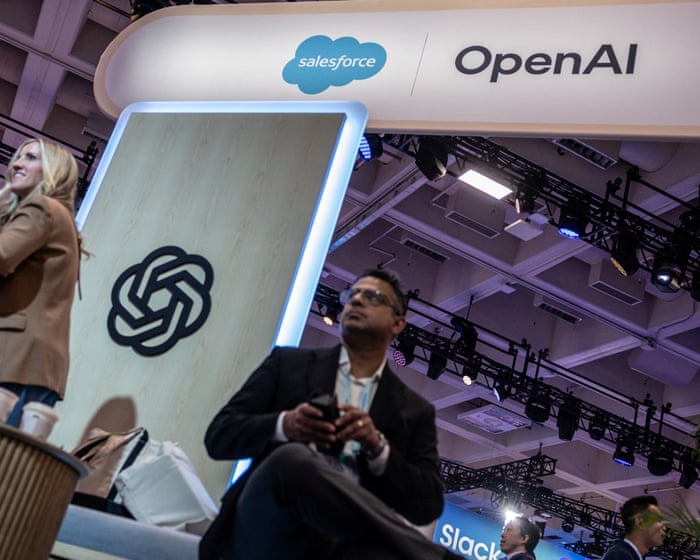
- AI leaders and safety groups are competing to become trusted third-party evaluators of AI systems.
- Some evaluators have close ties to AI companies or movements like effective altruism, raising concerns about independence.
- The AI research community is small and connected, so many evaluators have backgrounds in major AI labs.
- Current AI tests often focus on performance, like coding and math, but miss risks like software vulnerabilities.
- Companies like Booz Allen evaluate AI for clients, but these evaluations may overlook important safety aspects.
- Elon Musk suggested U.S. and Chinese AI labs review each other’s models, but this is seen as unlikely due to competition.
- OpenAI proposed a public system to report AI problems, but participation is voluntary and transparency concerns remain.
Read the Full Article
This is a fact-based summary from The Actual News. Click below to read the complete story directly from the original source.