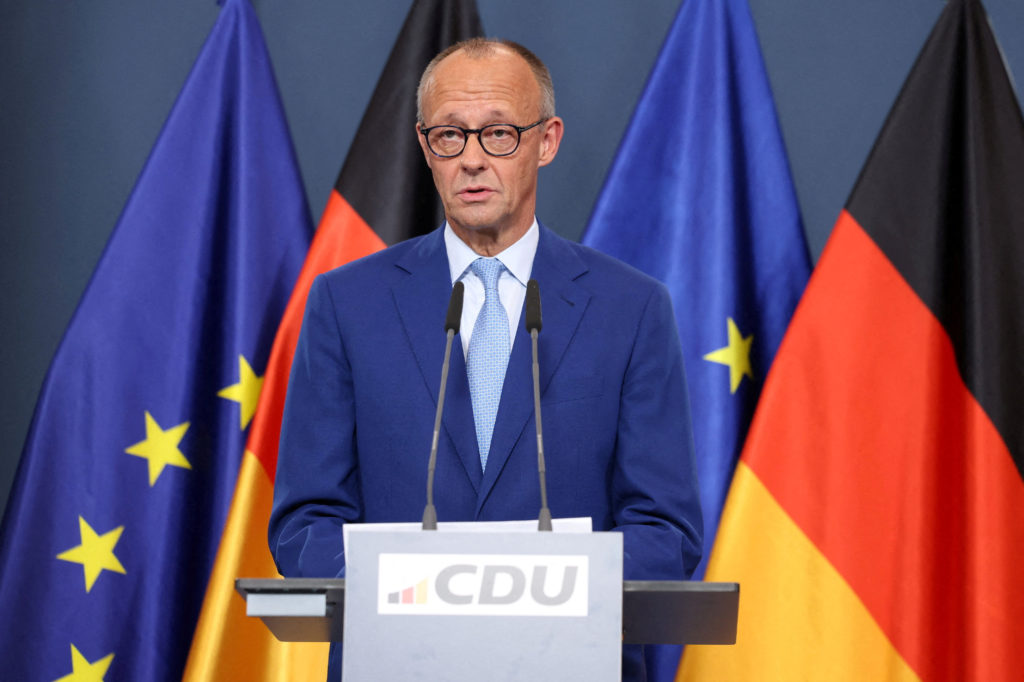
Germany’s far-right AfD makes strong gains in two state elections
Summary
The far-right Alternative for Germany (AfD) party won the largest share of votes in state elections in Mecklenburg-Western Pomerania and gained ground in Berlin. Chancellor Friedrich Merz’s conservative party performed poorly, raising concerns about his political future.Key Facts
- AfD won 37% of the vote in Mecklenburg-Western Pomerania, ahead of the Social Democrats’ 35.5%.
- Chancellor Merz’s Christian Democratic Union (CDU) barely passed the voting threshold in Mecklenburg-Western Pomerania with 5.5%.
- In Berlin, the left-wing Linke party led with 24.5%, CDU came second with 20%, and AfD increased to 16%.
- AfD is an anti-migration, Russia-friendly far-right party making strong electoral gains in eastern German states.
- Other main parties have said they will not work with AfD, making it unlikely the party will govern despite its gains.
- Merz became chancellor 16 months ago promising economic improvement but has become unpopular amid weak growth.
- Recent AfD victories have weakened Merz’s national standing, with some party members calling for his replacement.
- Merz canceled a planned UN trip and has said he wants to stay and finish his term as chancellor.
Read the Full Article
This is a fact-based summary from The Actual News. Click below to read the complete story directly from the original source.