Trump Must Address China Trade or He’ll Undercut US Manufacturing | Opinion
Summary
President Donald Trump has taken a strong stance on trade with China by imposing tariffs and trying to protect U.S. manufacturing. However, challenges remain with China’s policies in three major areas: cars, currency, and computer chips, which could affect American jobs and industries as Chinese leader Xi Jinping visits Washington on September 24.Key Facts
- President Trump used tariffs to change the U.S.-China trade relationship and protect American manufacturing workers.
- China maintains a large overall trade surplus, reaching $1.2 trillion last year.
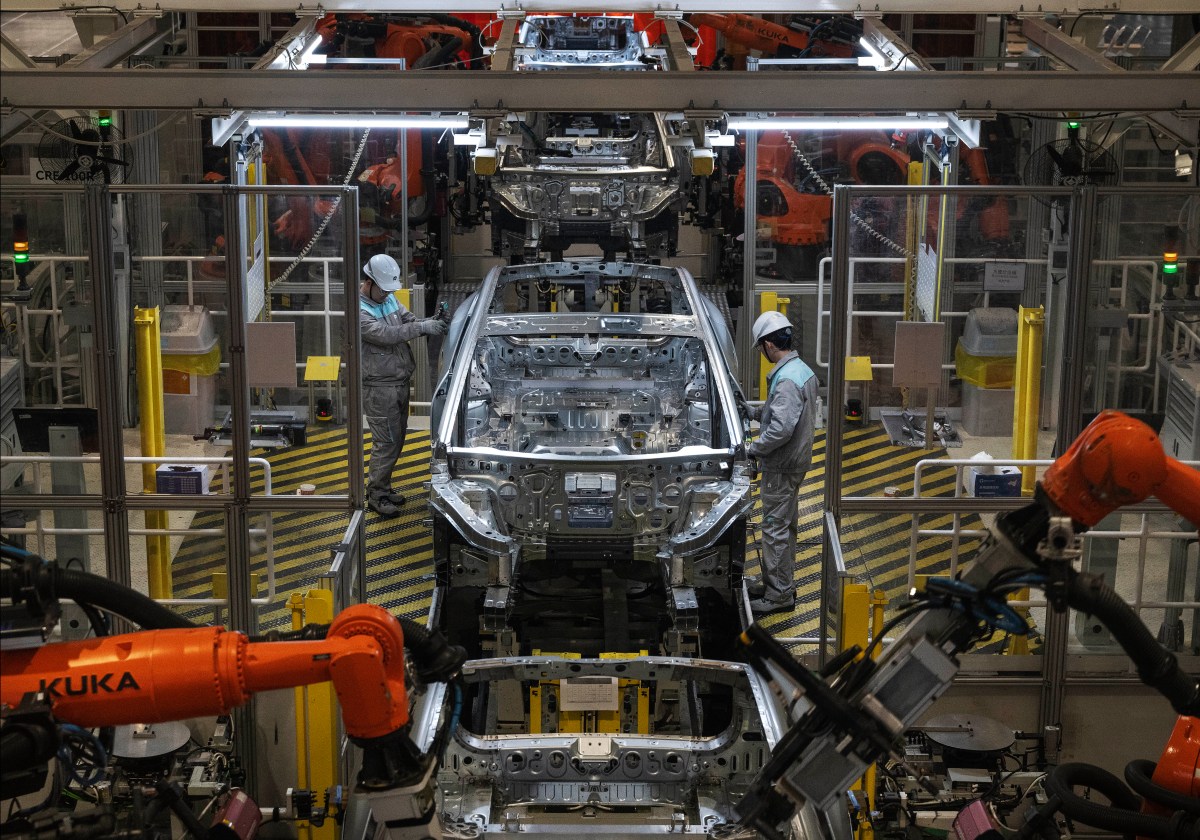
- China’s auto industry benefits from subsidies, technology transfers, and supply chains involving forced labor, posing a threat to U.S. auto jobs.
- Trump suggested accepting Chinese auto factories in the U.S. while keeping imports out, a move some see as risky.
- China controls its currency, the renminbi, keeping it devalued to make exports cheaper and offset U.S. tariffs.
- Despite U.S. tariffs, China’s exports to the U.S. grew by 34.4% in August year-over-year.
- The U.S. government has tools to address China’s currency manipulation but has not fully used them.
- President Trump supports boosting domestic semiconductor chip production and has secured commitments from chipmakers to invest in the U.S.
Read the Full Article
This is a fact-based summary from The Actual News. Click below to read the complete story directly from the original source.