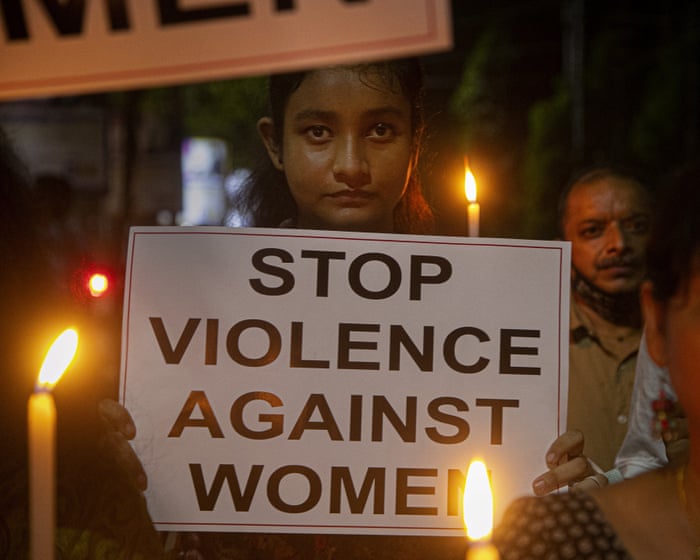
From Jamui to Delhi, the burden of safety from sexual assault cannot fall on women
Summary
The article discusses recent cases of sexual violence against women in India, highlighting how responses often place restrictions on women rather than addressing the root causes. After incidents in Bihar and Delhi, authorities limited women’s access to public spaces, which activists say unfairly shifts responsibility onto women instead of focusing on preventing the violence.Key Facts
- Two recent incidents of sexual violence in India—one in Bihar and one in Delhi—led to national attention.
- After these attacks, women faced more restrictions, such as curfews, dress codes, and limited access to parks and educational institutions.
- Feminists argue that these measures put the burden on women to stay safe rather than stopping perpetrators.
- The response often starts in families, continues with social pressure, and is reinforced by government actions.
- Activists say restricting women’s movements does not solve the problem of sexual violence and can be a form of gender-based control.
- Students in Delhi have protested, demanding safer public spaces with better lighting and facilities.
- Surveys show many women in Indian cities feel unsafe, proving the scope of the issue.
- Experts suggest society needs deeper changes in attitudes and policies to protect women’s rights and safety.
Read the Full Article
This is a fact-based summary from The Actual News. Click below to read the complete story directly from the original source.