Congress Targets Data Centers: What It Could Mean for Home Prices, Bills
Summary
The U.S. Senate is set to consider the Ratepayer Protection Act, a bipartisan bill aimed at protecting households and small businesses from higher utility bills caused by the growing energy needs of AI data centers. The bill passed the House with strong support but faces criticism for not going far enough to help consumers, while other laws such as the GRID Savings Act propose stricter rules for high energy users.Key Facts
- The Ratepayer Protection Act aims to prevent higher electricity bills for homes and small businesses due to AI data centers’ energy use.
- The bill passed the House with 417 in favor and 3 against.
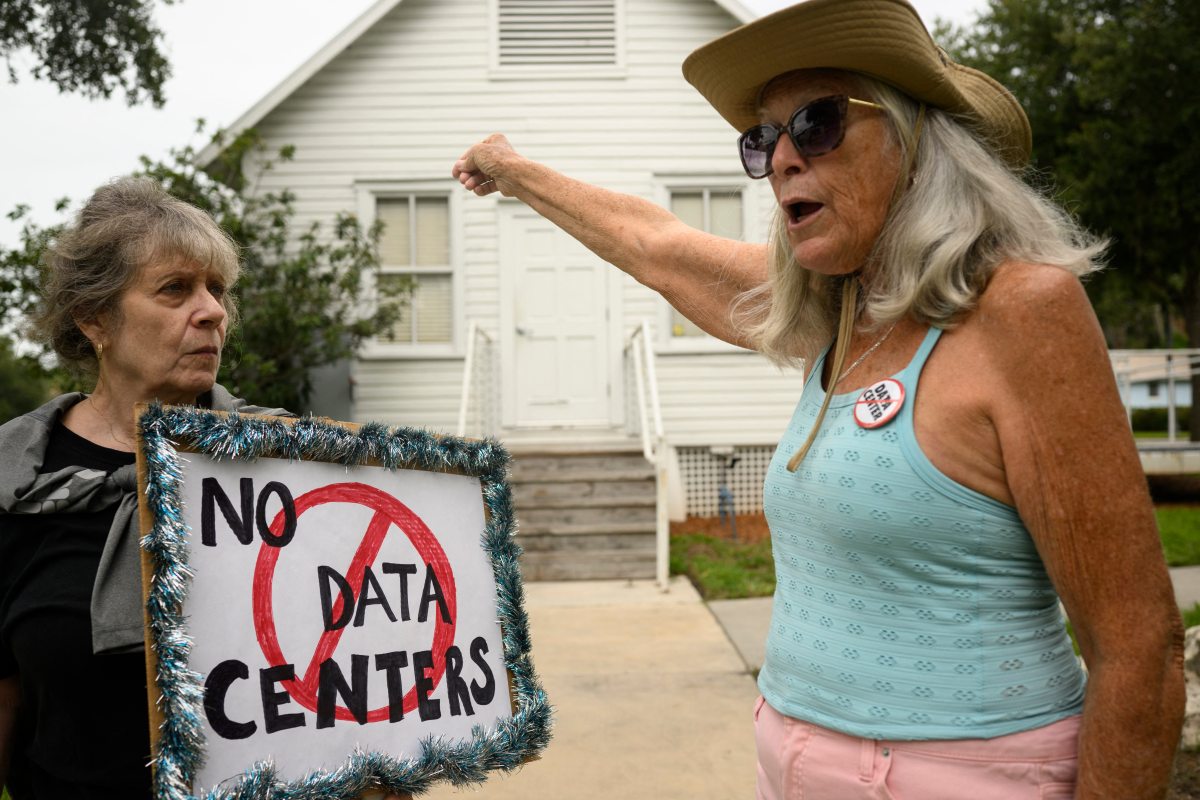
- Concerns include rising electricity bills, local water shortages, and noise from data centers.
- Senator Jon Husted of Ohio authored the Senate version; he faces political pressure from his Democratic opponent Sherrod Brown.
- Some lawmakers and groups say the bill doesn’t offer strong enough consumer protections.
- Senator Martin Heinrich introduced the GRID Savings Act, requiring big energy users (150 MW or more) to pay for power grid upgrades.
- Electricity prices rose from around 13 cents per kWh before 2019 to 19 cents per kWh by 2025, partly due to data centers’ power demands.
- In states like Virginia, electricity bills have risen significantly, up to 267% more for one month compared to five years ago.
Read the Full Article
This is a fact-based summary from The Actual News. Click below to read the complete story directly from the original source.