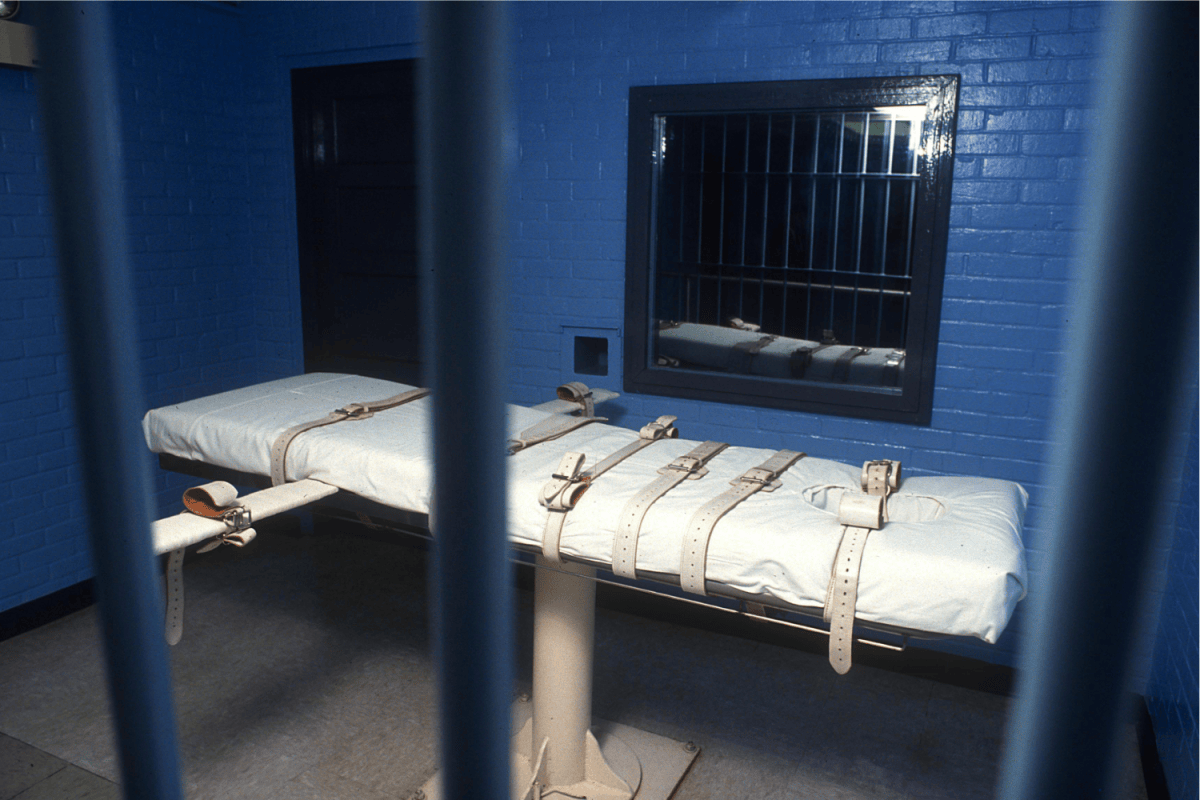
How Execution Fail Rates Compare as Christa Pike Taken to Hospital
Summary
Tennessee Governor Bill Lee has stopped all planned executions in the state after the execution of Christa Pike did not go as planned, with her still alive after two lethal injections. Experts say such problems, called botched executions, happen more often than many realize, especially with lethal injection.Key Facts
- Governor Bill Lee ordered a pause on all executions in Tennessee following Christa Pike’s problematic execution.
- Christa Pike remained alive after receiving two doses of lethal pentobarbital, a drug used in executions.
- Botched executions mean something goes wrong, causing delays, pain, or errors during the process.
- Between 1890 and 2010, about 3.15% of executions in the U.S. were botched; lethal injection had the highest botch rate of 7.12%.
- A recent report found around 5.2% of lethal injection attempts since 1977 were botched, with the real number possibly higher due to secrecy.
- Previous botched cases include Clayton Lockett in 2014, whose execution had drug administration problems, causing a delayed death.
- Problems often happen when prison staff have trouble placing IV lines, the tubes used to deliver drugs.
- The firing squad is the only execution method with no reported botched cases.
Read the Full Article
This is a fact-based summary from The Actual News. Click below to read the complete story directly from the original source.