Cheap, Common Drug Linked To Far Lower Dementia Risk—But Only For Some
Summary
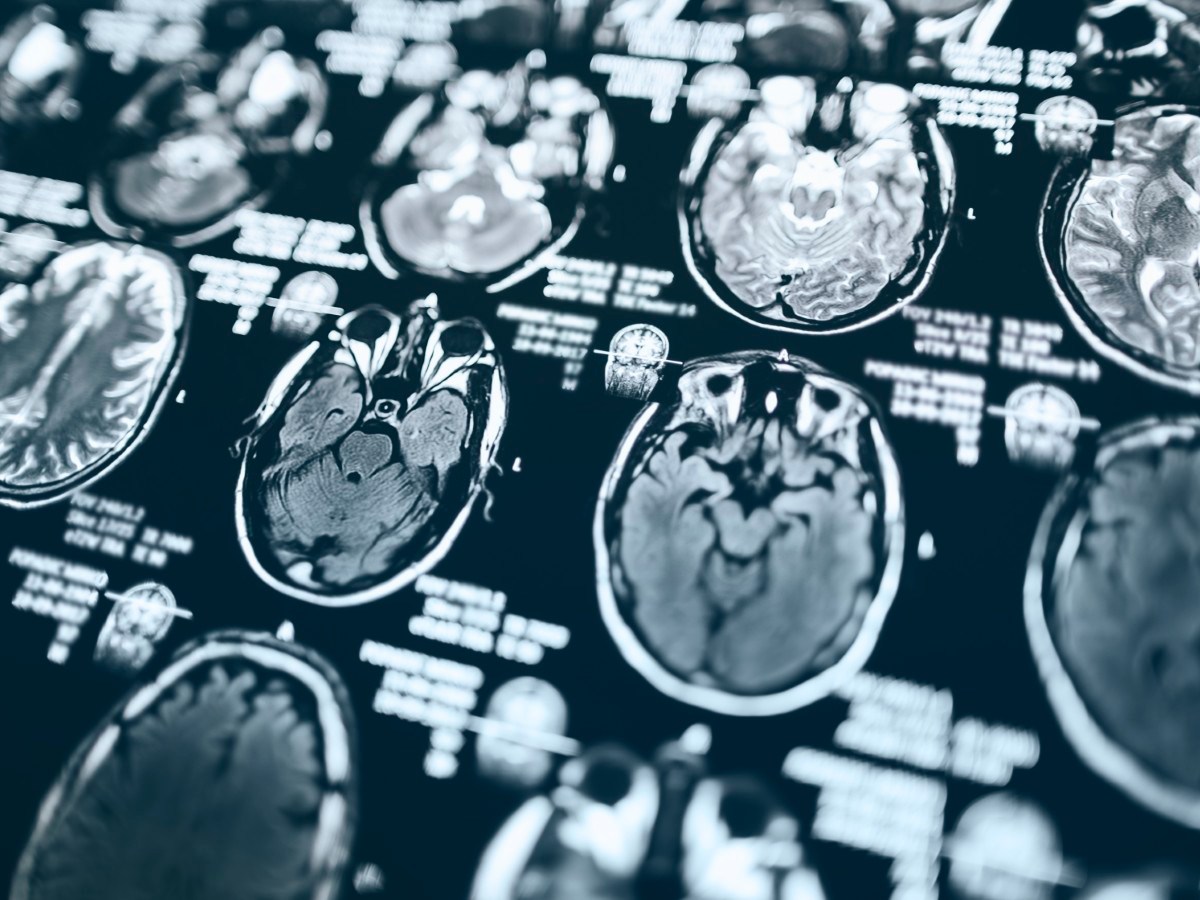
A new study from Monash University found that low-dose aspirin may lower the risk of dementia by about 70% in older adults with certain genetics linked to platelet count. However, aspirin also increased the risk of serious bleeding, so experts say more research is needed before changing medical advice.Key Facts
- Researchers studied more than 13,500 older adults in the ASPREE Trial.
- People with a genetic makeup causing high platelet counts who took aspirin had a much lower dementia risk than those on a placebo.
- Only 1% of those with high platelet genetics taking aspirin developed dementia, compared to 3.3% on placebo.
- Aspirin increased serious bleeding risk to 4.4% compared to 2.1% for placebo.
- Platelets help stop bleeding but also affect inflammation and brain processes linked to dementia.
- Findings suggest aspirin’s protective effect may work only for people with specific genetics.
- The study’s authors call for further research before recommending aspirin for dementia prevention.
- People should consult doctors before using aspirin to reduce dementia risk due to bleeding concerns.
Read the Full Article
This is a fact-based summary from The Actual News. Click below to read the complete story directly from the original source.