The Rising Cost of Climate Change: Who Will Pay?
Summary
Climate change is causing more frequent and severe disasters, but federal support for recovery is decreasing. States like Massachusetts and Vermont are raising their own funds for disaster recovery and focusing on building stronger, more resilient communities.Key Facts
- Massachusetts once expected about 26% of its climate funding from the federal government but now gets less than 1%.
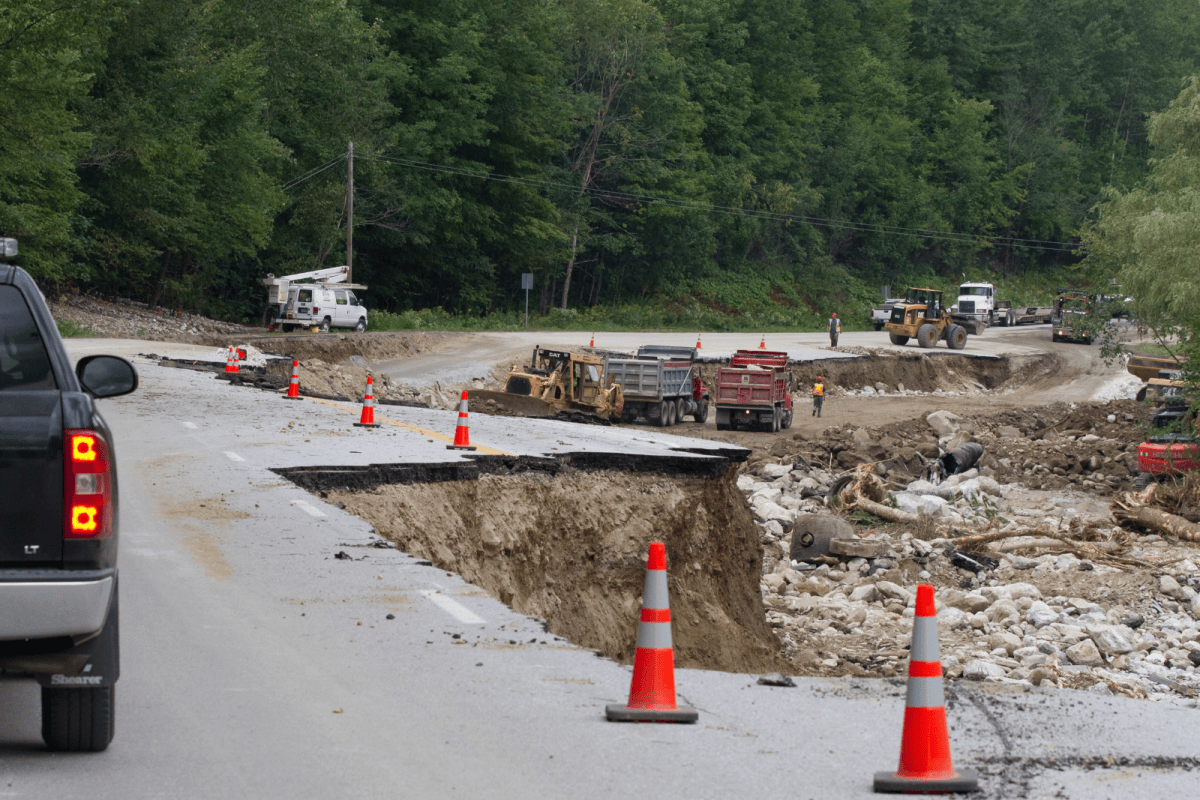
- Massachusetts had to raise its own funds after floods in 2023 because it did not qualify for federal aid.
- FEMA (Federal Emergency Management Agency) has increased review times and denial rates for emergency relief funds in the past decade.
- Vermont was once considered safe from climate risks but recent floods have changed that view.
- Rising disaster and repair costs threaten the economic health of towns, especially in southern Florida where property taxes fund local services.
- Massachusetts and Vermont are focusing on rebuilding stronger after disasters to reduce future damage.
- Measuring the effectiveness of resilience efforts is difficult because there is no clear return on investment yet.
- Some projects, like one in the Connecticut River Basin, track flooding to provide data for managing risk.
Read the Full Article
This is a fact-based summary from The Actual News. Click below to read the complete story directly from the original source.