America’s Critical Mineral Map Nearly Doubles—Here’s What Changed
Summary
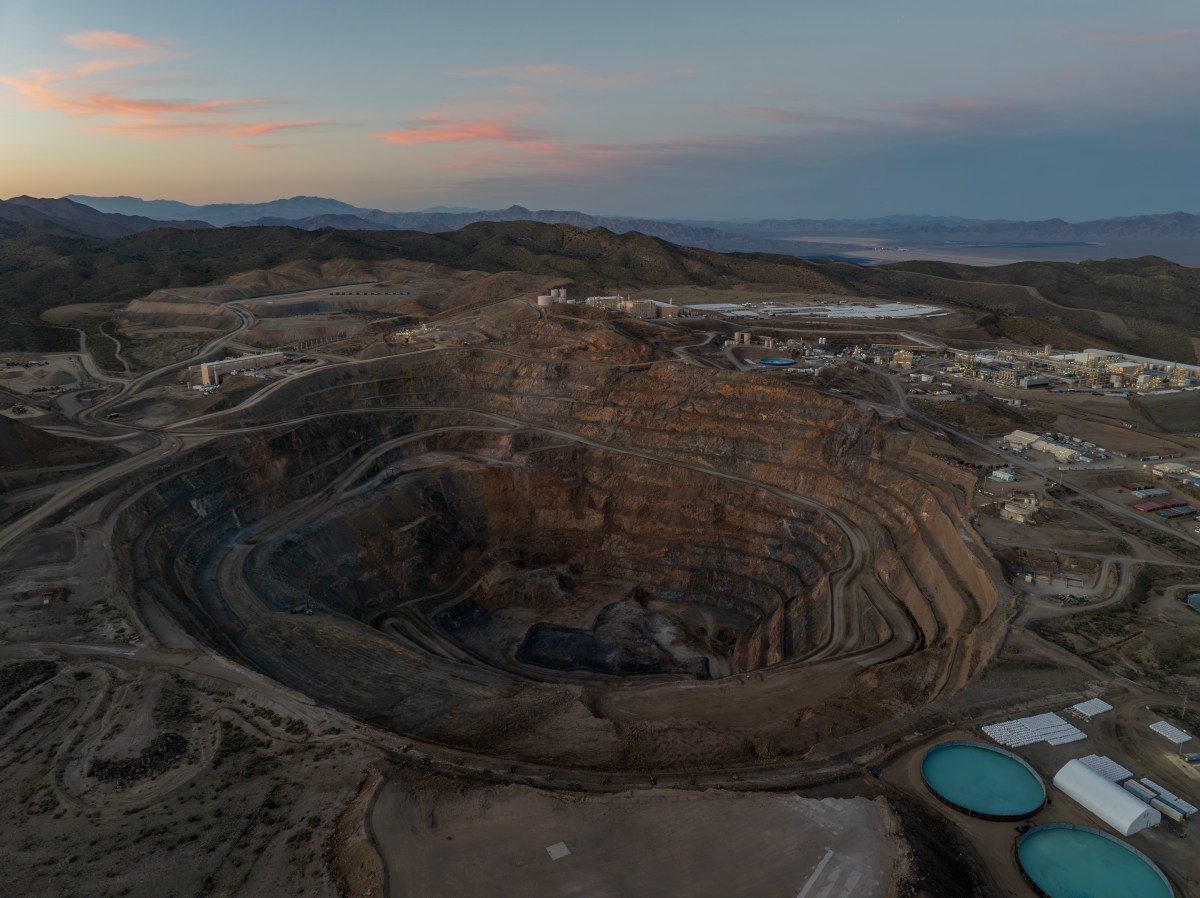
A new map from the U.S. Geological Survey (USGS) shows nearly twice as many critical mineral deposits in the United States as the previous count, rising from 684 to 1,271 deposits. This increase reflects changes in data collection and an expanded list of minerals considered critical, highlighting the country’s potential to produce more minerals domestically and reduce reliance on foreign sources.Key Facts
- The USGS updated its map to include 1,271 critical mineral deposits across 41 states and Puerto Rico, up from 684 in 2024.
- The number rise is due to including previously known deposits and expanding the types of critical minerals tracked from 50 to 60.
- Critical minerals are important for making products like batteries and computer chips.
- Some added critical minerals include copper, silver, uranium, and lead; metallurgical coal is not included on the new map.
- Roughly 412 deposits have critical minerals but no known past or current mining activity.
- The map ranks deposits from 1 to 5 based on mining status and resource amount.
- Interior Secretary Doug Burgum said the update supports efforts to increase American mineral production and reduce foreign dependence.
- President Donald Trump began these efforts with an executive order in 2017 to identify critical minerals and speed up mining permits.
Read the Full Article
This is a fact-based summary from The Actual News. Click below to read the complete story directly from the original source.