What If We Measured Poverty Aid by Lives Changed? | Opinion
Summary
The article discusses the challenge of measuring the true impact of poverty aid programs beyond financial or business metrics. It emphasizes the importance of focusing on how aid improves everyday life for individuals, such as being able to feed children, attend school, or avoid exploitation. The author argues that meaningful change requires long-term support and empowering individuals to own their progress.Key Facts
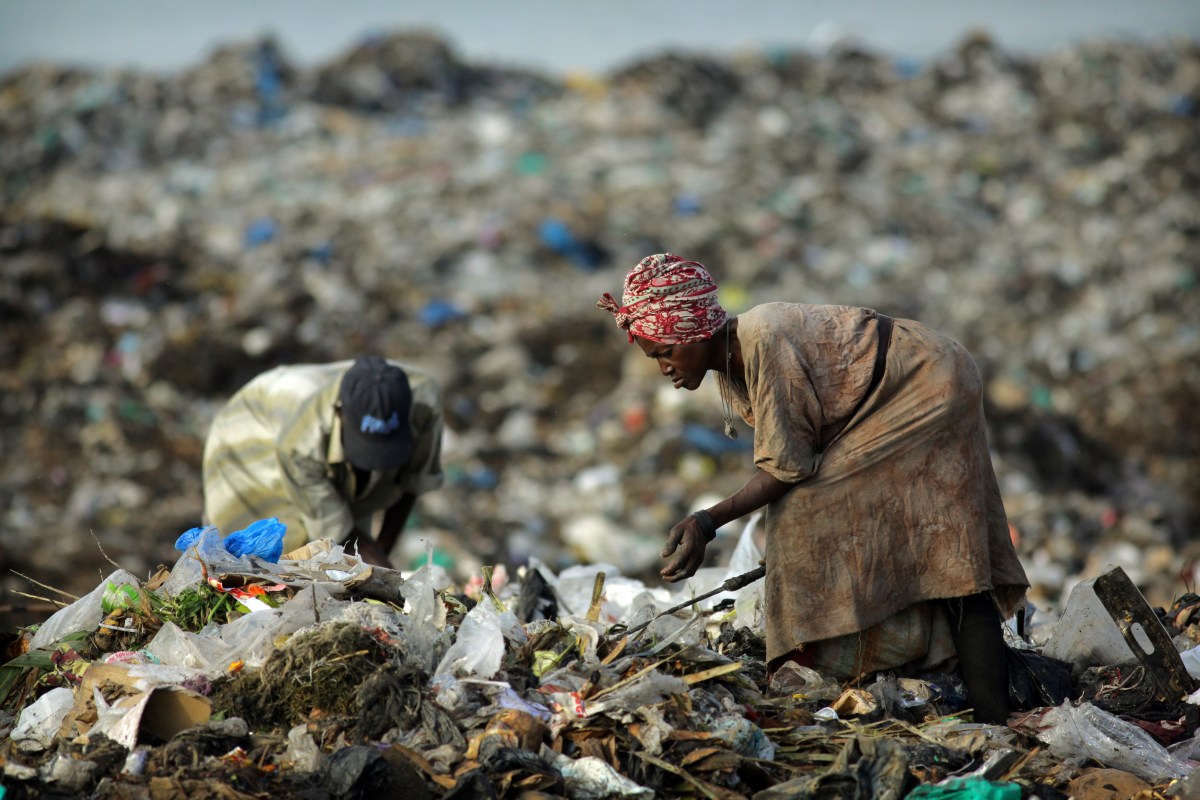
- About 824 million people lived in extreme poverty worldwide in 2024, according to the World Bank.
- Progress in reducing poverty has slowed in many of the poorest places.
- Organizations often focus on metrics like business creation or revenue generated to show impact.
- The author suggests measuring success by improvements in daily life, such as food security or school attendance.
- Small projects, like gardening or savings programs, can help people gain economic independence.
- Short-term aid risks creating dependency and can leave communities skeptical when programs end.
- Lasting poverty reduction happens when people access opportunity, education, infrastructure, and stable institutions.
- The article calls for long-term investment and discipline to support changes people can sustain themselves.
Read the Full Article
This is a fact-based summary from The Actual News. Click below to read the complete story directly from the original source.