Why are gas prices still high even as traffic improves in the Strait of Hormuz?
Summary
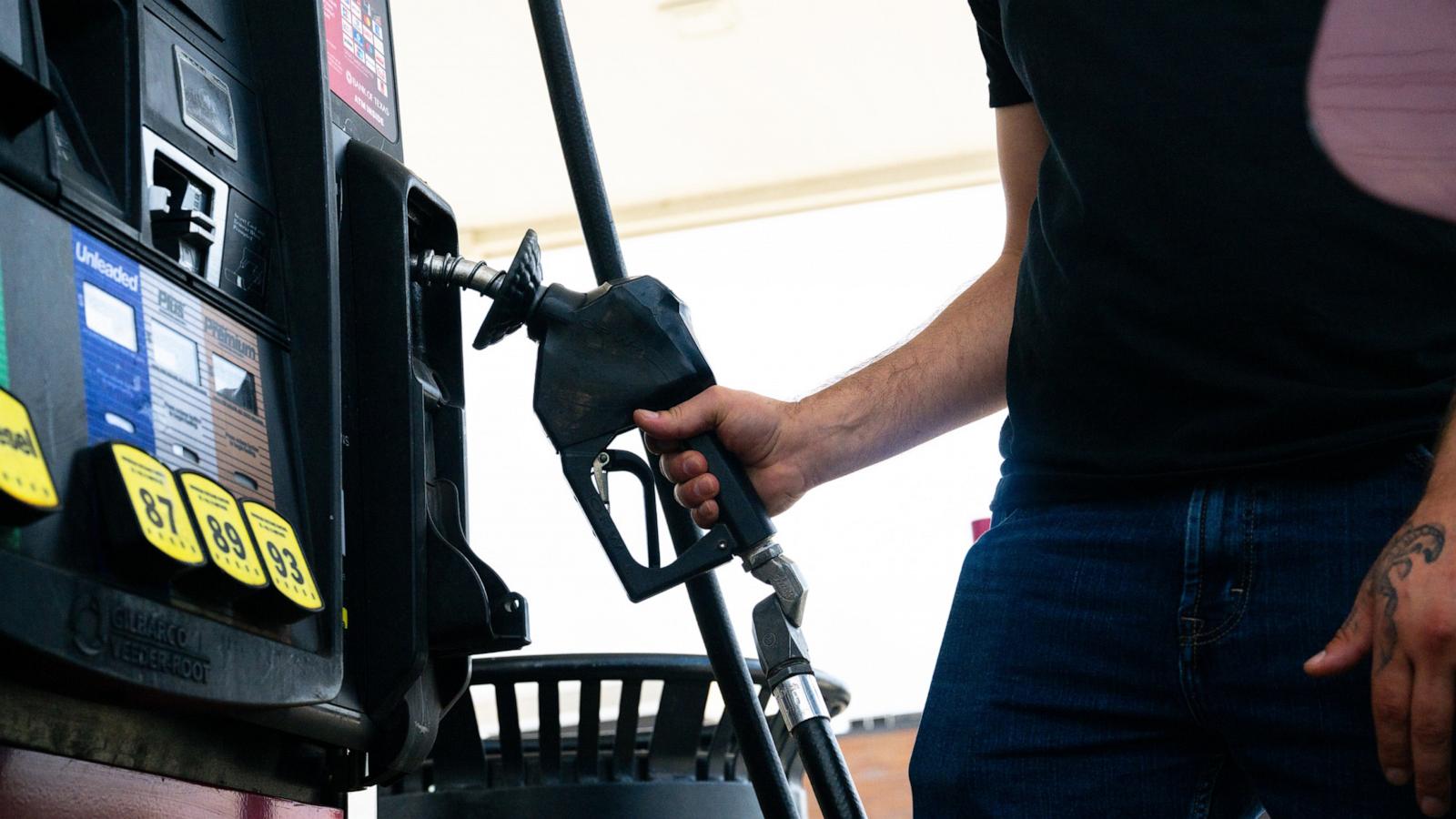
Gas prices in the U.S. remain high, above $4.30 per gallon, despite an improvement in oil traffic through the Strait of Hormuz. This is due to ongoing challenges in the region, costly transportation methods, and delays in price drops reaching consumers even as oil supply recovers.Key Facts
- Oil exports from the Middle East have mostly recovered to pre-war levels, excluding Iran.
- About 40% of crude oil exports now avoid passing through the Strait of Hormuz using alternate routes.
- Tanker traffic in the Strait of Hormuz has significantly improved recently compared to earlier war disruptions.
- Gasoline prices have dropped slightly but remain about 46% higher than before the Iran war.
- Analysts say risk of future conflict and attacks keep oil prices high due to investor fears.
- Gas stations delay cutting prices to protect profit margins when oil prices fluctuate.
- The U.S., which imports little oil from the Middle East, still faces higher fuel prices because global oil markets set prices worldwide.
- West Texas Intermediate oil prices are about $92 per barrel, down 9% since mid-September but still over 40% above pre-war levels.
Read the Full Article
This is a fact-based summary from The Actual News. Click below to read the complete story directly from the original source.