The Battle of Hormuz Is Won. Now Comes the Insurgency Phase
Summary
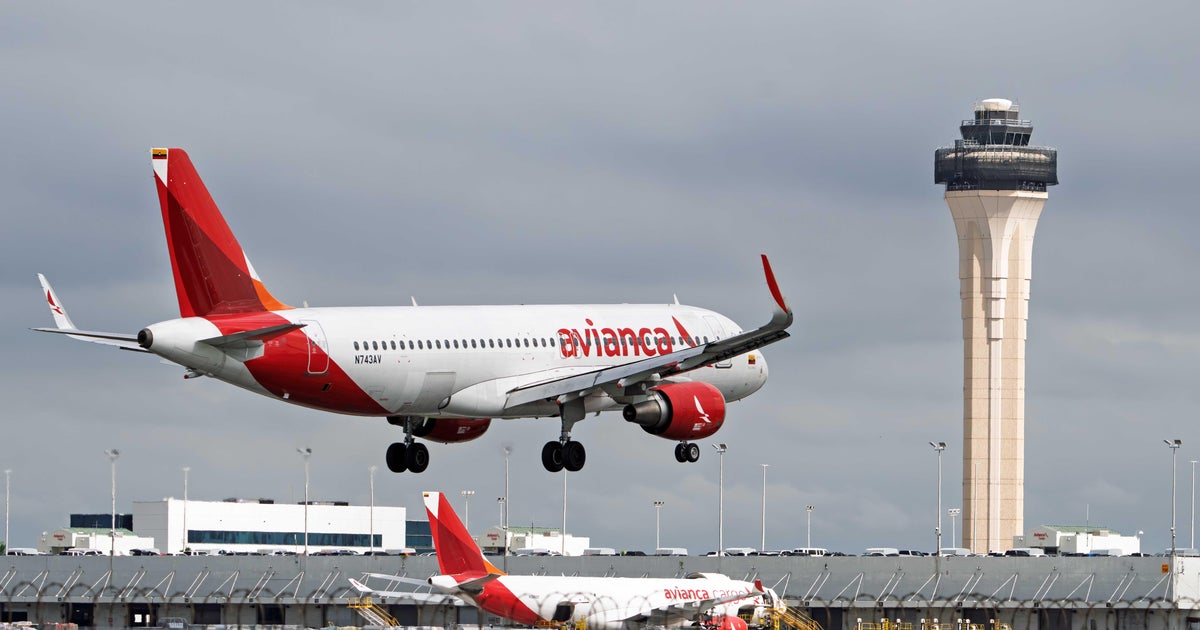
The United States and its allies have mostly regained control over the Strait of Hormuz, a key waterway for global oil shipments, which Iran had threatened to block. However, Iran continues to attack ships in the area, making travel dangerous and costly, resulting in a long-term naval presence to protect oil traffic.Key Facts
- About 16.5 million barrels of crude oil per day left the Persian Gulf in September, matching levels before the war except for Iranian exports.
- U.S. and allied forces have blocked Iranian oil exports through military and economic sanctions.
- Iran has increased attacks on tankers in the Strait of Hormuz, the highest since the war began seven months ago.
- Daily ship crossings have dropped from about 125 before the war to just seven recently due to security threats.
- About 40% of Gulf crude now leaves via pipelines through Saudi Arabia and the United Arab Emirates, up from 17% before the conflict.
- The U.S. started Project Freedom in May to escort commercial ships through the strait and keep oil flowing.
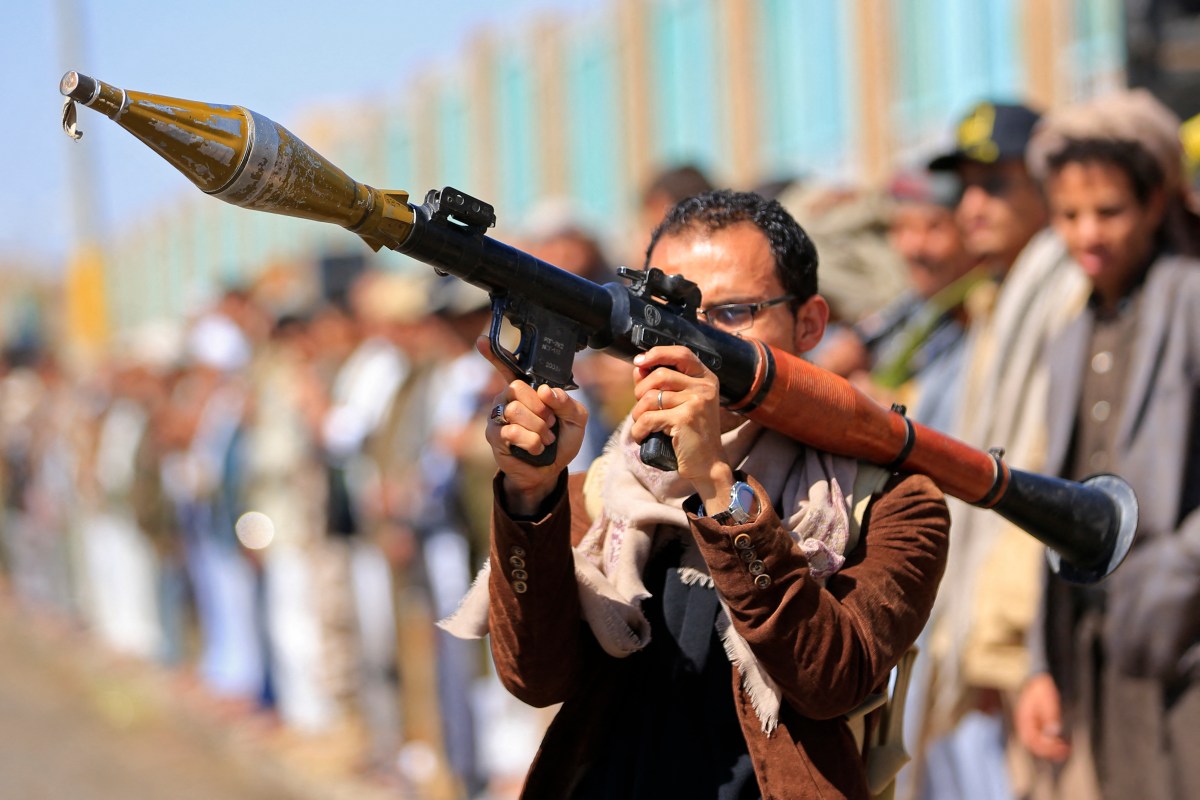
- Iran’s continued attacks use drones, missiles, and proxies to harass and raise shipping costs without fully closing the waterway.
- Maritime attacks caused injuries and forced some ships to turn back; the security threat is rated "severe" by the U.S.-led Joint Maritime Information Center.
Read the Full Article
This is a fact-based summary from The Actual News. Click below to read the complete story directly from the original source.