Controversial vaccine trial touted by RFK Jr gets go-ahead in Guinea-Bissau
Summary
A vaccine trial in Guinea-Bissau will test delaying the hepatitis B vaccine for some newborns, a study supported by U.S. health official Robert F. Kennedy Jr. The trial, approved by Danish and Guinea-Bissau authorities, raises ethical concerns because some infants will not get the vaccine at birth, which could increase their risk of infection.Key Facts
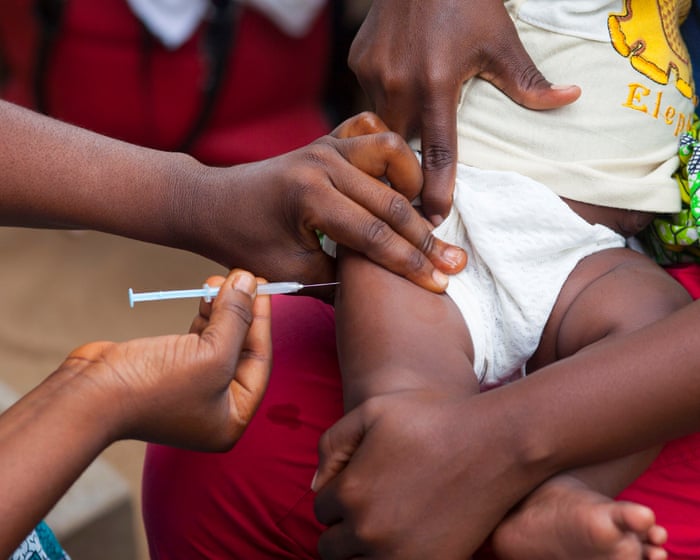
- The trial involves 14,000 infants in Guinea-Bissau, with half receiving the hepatitis B vaccine at birth and half delayed until six weeks old.
- Robert F. Kennedy Jr., U.S. Health and Human Services secretary and known vaccine critic, supports the trial and opposes the birth dose vaccine policy.
- Ethics committees in Denmark approved the trial, but several members resigned in protest, citing serious ethical issues.
- The health minister of Guinea-Bissau initially suspended the trial after international concern but later allowed it to continue.
- Researchers will test mothers for hepatitis B before birth; babies of infected mothers will get the vaccine and be excluded from the trial.
- The U.S. Centers for Disease Control and Prevention has allocated $1.6 million to fund the study, matched by private donations.
- Experts warn that delaying the vaccine increases risk because hepatitis B can be transmitted easily and the test for mothers is not perfectly accurate.
- Critics say this study could not be done ethically in the U.S. and express concern about using a developing country for such research.
Read the Full Article
This is a fact-based summary from The Actual News. Click below to read the complete story directly from the original source.