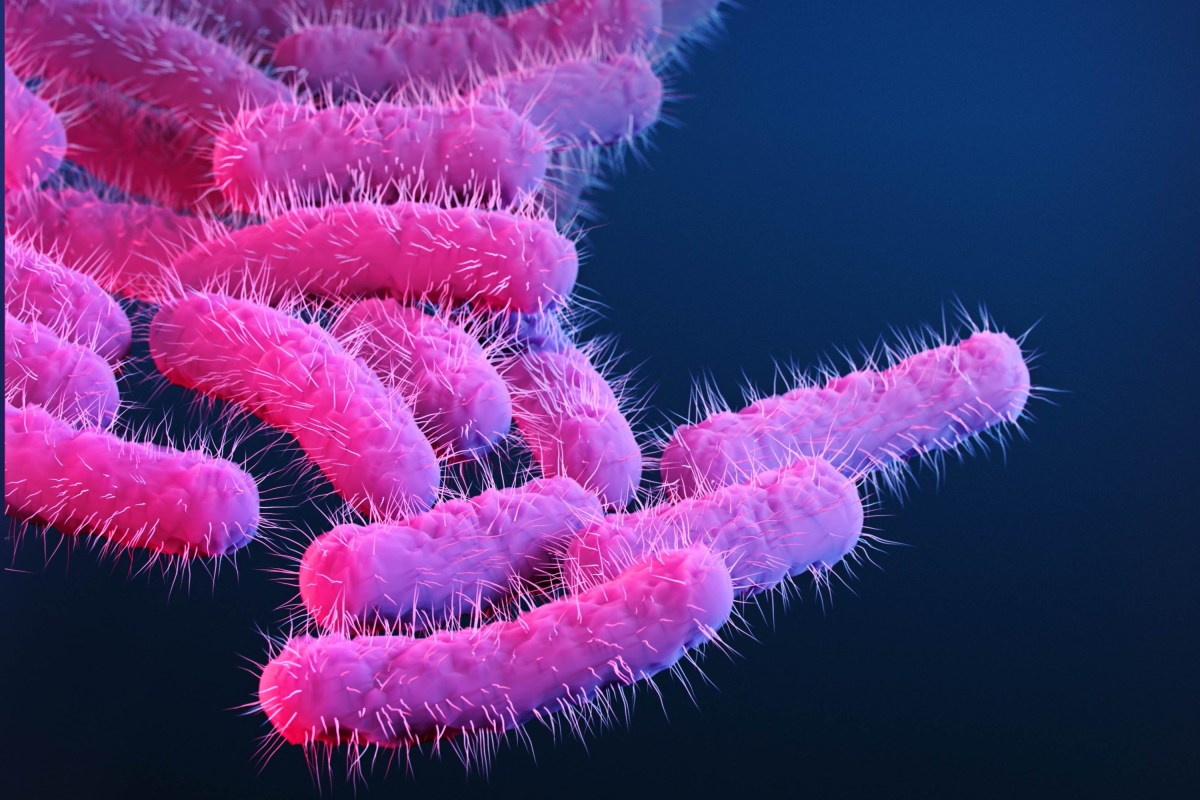
Sexually Transmitted Diarrhea Becoming Drug Resistant—Should US Be Worried?
Summary
A bacterial infection called shigellosis, which can spread through sexual contact and other ways, is becoming more resistant to antibiotics in the U.S. The Centers for Disease Control and Prevention (CDC) reports that drug-resistant strains of Shigella increased from 0% to 8.5% between 2011 and 2023. While the number of infections has not grown nationally, some populations face higher risks.Key Facts
- Shigellosis is caused by Shigella bacteria and leads to diarrhea, fever, and stomach pain.
- The CDC found that extensively drug-resistant (XDR) Shigella strains rose to 8.5% of samples tested in 2023.
- XDR Shigella resists five common antibiotics used to treat the infection.
- About 450,000 Shigella infections happen in the U.S. each year.
- Shigella can spread through contaminated food, water, poor hygiene, and sexual contact involving exposure to fecal matter.
- Symptoms often last 5 to 7 days and many people recover without antibiotics by resting and staying hydrated.
- Men, especially gay, bisexual, and men who have sex with men, are at higher risk for drug-resistant infections.
- The CDC reported 13,921 U.S. cases of shigellosis by September 2026, similar to the previous year’s count.
Read the Full Article
This is a fact-based summary from The Actual News. Click below to read the complete story directly from the original source.