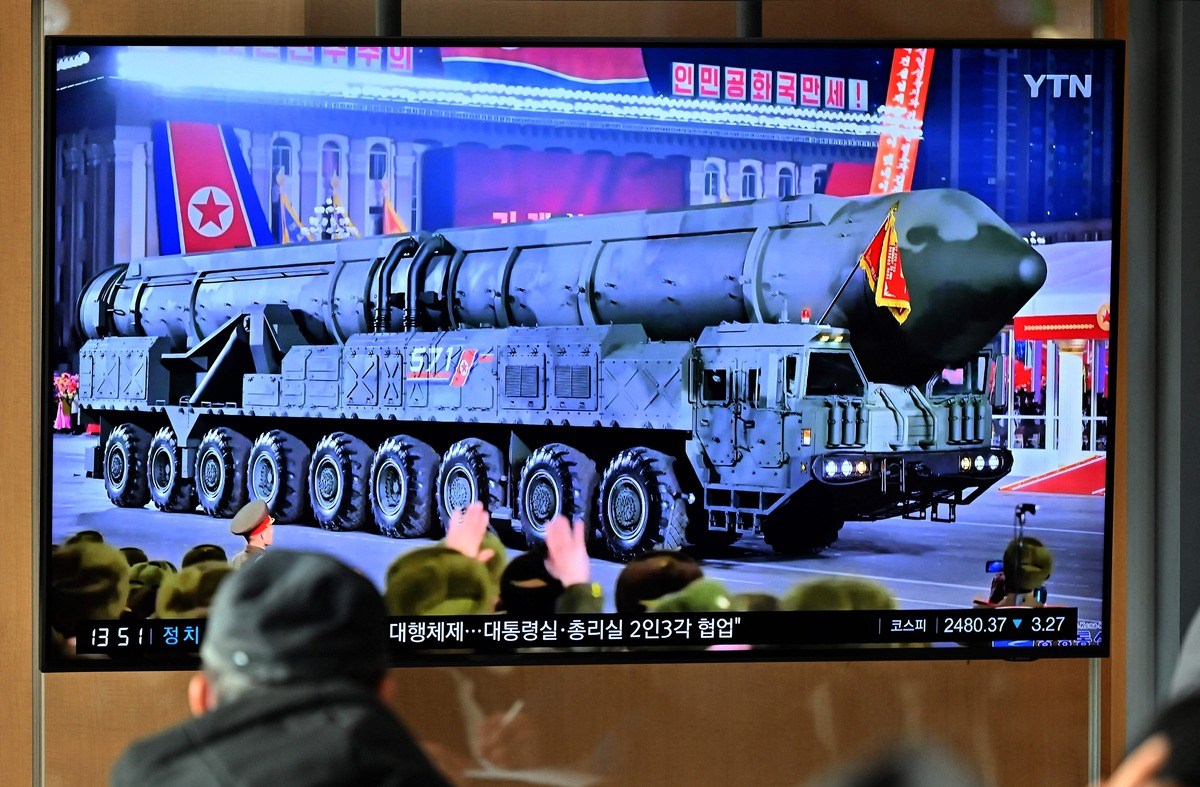
Nuclear Blast Map Shows How North Korea’s Nuclear Weapons Have Evolved
Summary
North Korea conducted its first nuclear test on October 9, 2006, marking the start of six tests over two decades. These tests have shown North Korea’s growing nuclear capabilities despite international sanctions and widespread condemnation.Key Facts
- North Korea’s first nuclear test occurred on October 9, 2006, in Gilju County, North Hamgyong Province.
- The initial test’s explosion yield was small, about 0.8 to 1 kiloton, much smaller than historical tests like Russia’s Tsar Bomba.
- Since 2006, North Korea has carried out six nuclear tests, with the largest in 2017 registering a magnitude of 6.1.
- The first test ended an eight-year pause in nuclear explosions worldwide.
- North Korea’s testing has continued despite United Nations sanctions aimed at stopping its nuclear and missile programs.
- The tests occurred underground to reduce radioactive fallout and follow a common method used by nuclear powers.
- No other country has confirmed nuclear tests since 2017, though President Donald Trump mentioned the idea of restarting U.S. tests, which the Department of Energy later denied.
- The Comprehensive Test Ban Treaty, opened for signing in 1996, aims to stop nuclear tests but has not been fully ratified by all countries.
Read the Full Article
This is a fact-based summary from The Actual News. Click below to read the complete story directly from the original source.