Clock ticking for leap second: Why timekeeping could change forever
Summary
World timekeepers are meeting near Paris to decide whether to stop adding leap seconds, which are extra seconds added to clocks to keep time aligned with Earth's slowing rotation. Since leap seconds cause problems for computers and financial systems, the meeting will discuss ending them as early as 2027.Key Facts
- Leap seconds were first added in 1972 to keep atomic time aligned with Earth's rotation.
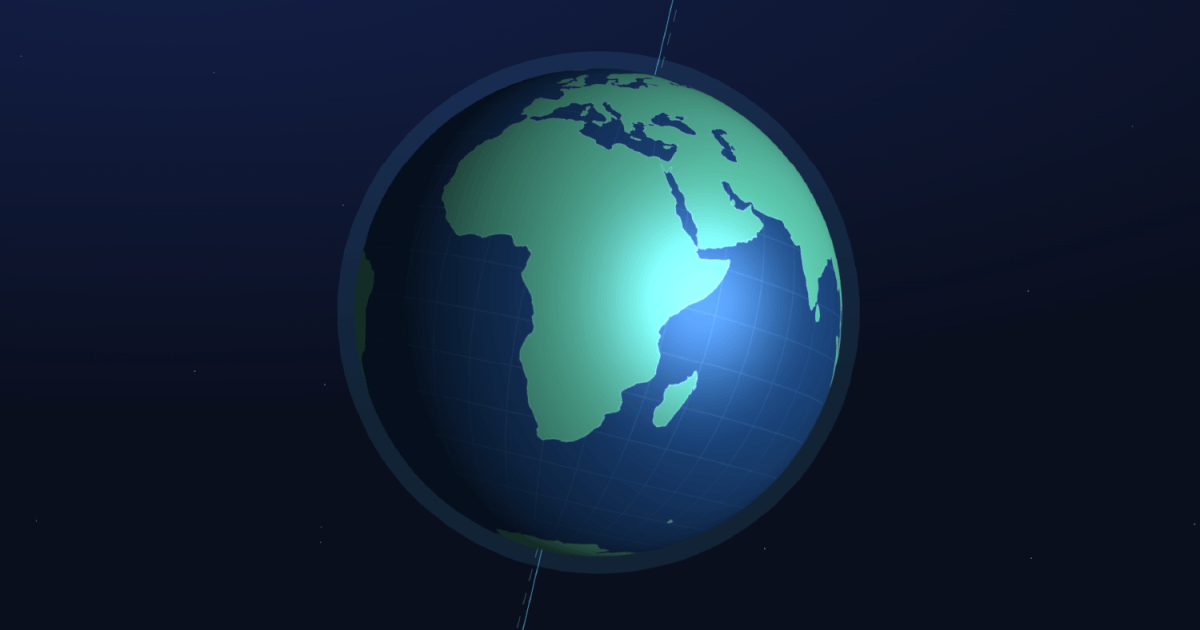
- Earth’s rotation is not perfectly steady and is gradually slowing down, causing time discrepancies.
- There have been 27 leap seconds added so far, with the last one in 2016.
- Leap seconds create technical problems for companies like LinkedIn, Reddit, and Meta, causing crashes and errors.
- The International Bureau of Weights and Measures (BIPM) voted in 2022 to stop leap seconds by 2035.
- Russia prefers delaying removal of leap seconds until 2040 due to its satellite system needs.
- The current meeting will debate ending leap seconds as early as 2027 and consider if atomic clocks are still the best way to measure a second.
- Leap seconds are added either on June 30 or December 31 to adjust clocks globally.
Read the Full Article
This is a fact-based summary from The Actual News. Click below to read the complete story directly from the original source.