US corporate lobbyists mounted ‘blitz’ to dilute landmark EU deforestation law, report finds
Summary
US companies and trade groups held many meetings with EU officials over two years to influence a new EU law aimed at stopping imports linked to deforestation. The law, set to start in December, has been delayed and changed, partly due to lobbying by US interests, and a recent statement suggested the US might get special treatment under this law.Key Facts
- The EU Deforestation Regulation (EUDR) bans imports like cattle, cocoa, coffee, oil palm, rubber, soy, and wood if linked to deforestation.
- US companies and trade groups, including Cargill, Bunge, and Mondelēz, took part in over 350 meetings with EU Parliament and European Commission officials from 2024 to 2026.
- Lobbying efforts aimed to delay and weaken the law, which was originally seen as the most ambitious global effort to prevent deforestation.
- The EUDR’s implementation has been postponed twice and its rules were changed, leading some supporters to say the law has been weakened.
- After a 2025 meeting between President Trump and the European Commission president, a joint statement offered the US special consideration regarding the law.
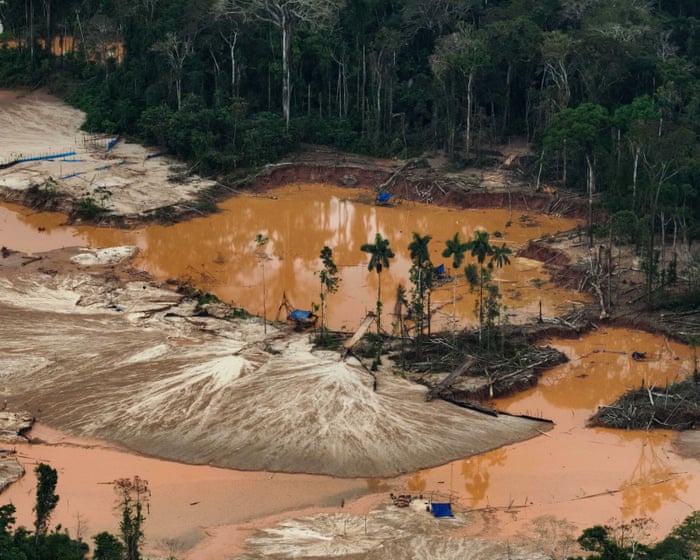
- The European Commission said the US poses low risk of global deforestation, despite US companies being linked to forest destruction in places like the Amazon.
- Mighty Earth, the environmental group that investigated, calls for more transparency in EU lobbying and better access for public interest groups.
- US lobbying also involved the US Congress, Department of Agriculture, Trade Representative, and the White House.
Read the Full Article
This is a fact-based summary from The Actual News. Click below to read the complete story directly from the original source.