Why Iran-US negotiations keep failing
Summary
The article explains why talks between the United States and Iran often fail. It highlights deep mistrust rooted in historical events, such as the 1979 US embassy siege in Tehran and the US exit from the Iran nuclear deal in 2018, shaping how both countries approach negotiations today.Key Facts
- Since the start of recent conflicts, the US and Iran have tried several negotiations, but only one agreement was signed and then quickly fell apart.
- Two long-standing psychological barriers affect relations: one from the US side due to the 1979 embassy siege, and one from the Iranian side due to US hostility and the 2018 withdrawal from the nuclear deal.
- The US and Britain overthrew Iran’s government in 1953 because it nationalized its oil, causing lasting distrust in Iran.
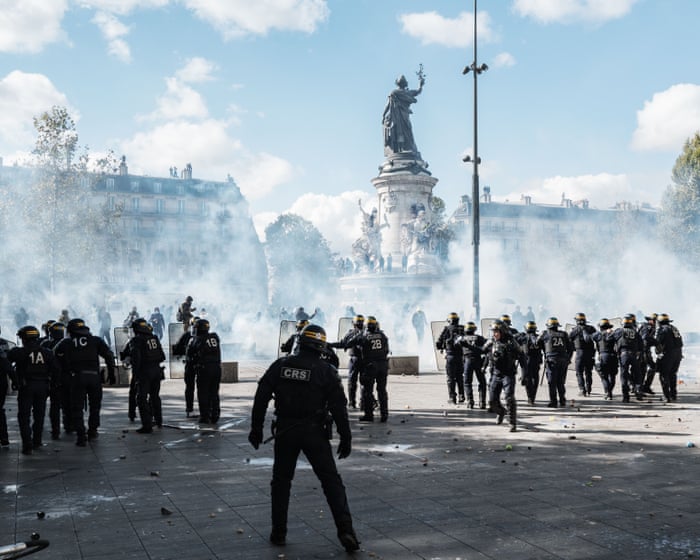
- In 1979, Iranian students took 52 Americans hostage for 444 days, ending diplomatic relations between the two countries.
- The US views Iran as untrustworthy and insists Iran must make verified concessions before receiving anything in return.
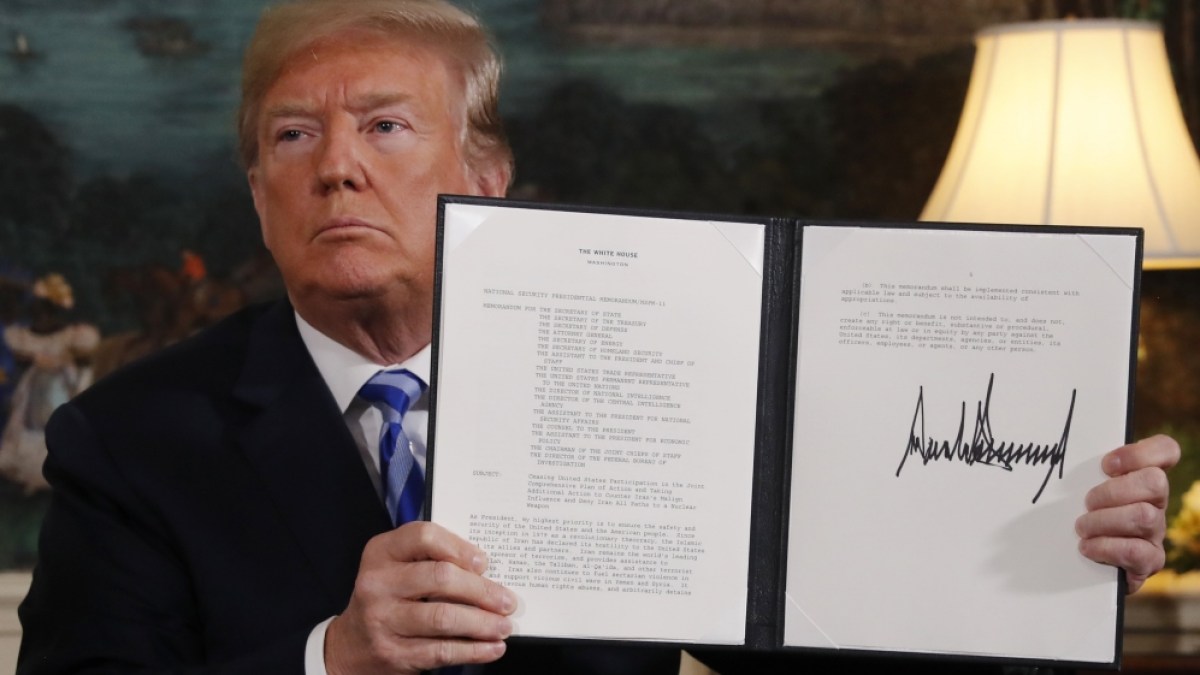
- In 2018, President Trump left the Iran nuclear deal despite reports that Iran was following its rules.
- The US later demanded broad new conditions in talks, including Iran’s actions in other Middle East countries.
- Iran believes US agreements are unreliable and that negotiations can sometimes hide plans for conflict, so they want strong guarantees before making any moves.
Read the Full Article
This is a fact-based summary from The Actual News. Click below to read the complete story directly from the original source.