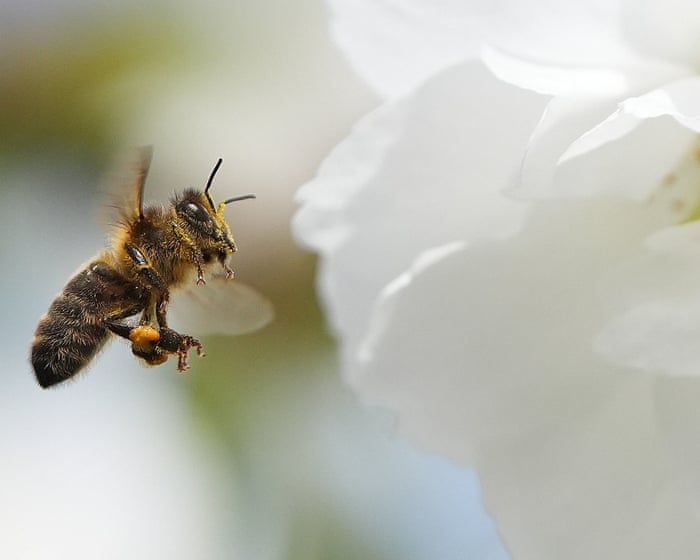
‘Crucial opportunity to act’ as study finds most of Europe’s wild bee species in decline
Summary
A study finds that most wild bee species and about half of hover fly species in Europe have decreased over the last 100 years, except in the Alps. This decline threatens pollination, which is important for flowering plants and many food crops, and raises concerns about biodiversity and ecosystem health.Key Facts
- The study covers 88% of Europe’s bee and hover fly species from 1921 to 2020.
- More bee species are declining than increasing in all regions except the Alpine region.
- The Atlantic and Continental parts of Europe show a steady drop in bee and hover fly species diversity.
- Nearly 90% of wild flowering plants and over 75% of major food crops need animals like bees and hover flies to pollinate them.
- Declining pollinators can harm ecosystems, reduce wildlife, and worsen climate change impacts.
- About 9% of the species may have been lost, but widespread extinction is not yet confirmed.
- The United Nations Biodiversity Summit (Cop17) in Armenia is addressing these issues and aims to protect land, reform subsidies, and restore ecosystems.
- Pollinator decline is happening across Europe, not just in a few countries, but the effect varies by region.
Read the Full Article
This is a fact-based summary from The Actual News. Click below to read the complete story directly from the original source.