France’s culture of violent policing means the battle for its streets is far from over
Summary
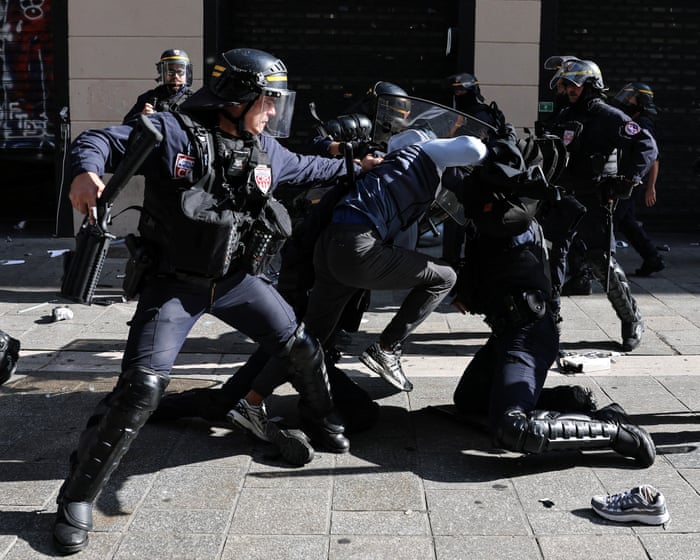
France’s police use strong and often violent methods to control protests, unlike many other Western European countries that focus on calming crowds. This tough approach comes from France’s history and political system, where the police act mainly to protect the state and authority rather than serve the public directly.Key Facts
- French police tactics often include teargas, baton charges, and stun grenades to control protests.
- Police in France are considered representatives of the state, and protests are seen as challenges to state authority.
- France uses weapons like defense ball launchers that shoot rubber pellets at high speeds and pyrotechnic stun grenades that produce loud shocks.
- These stun grenades have caused serious injuries such as lost eyes, broken jaws, and amputated limbs.
- France has a long history of street protests dating back to the 1789 revolution, making public demonstrations a key way citizens influence the government.
- Unlike some countries, French unions are not official partners in government talks, so protests become a main tool for citizens to express demands.
- The French government’s centralized power structure often passes laws without wide support, increasing tensions on the streets.
- Violent policing fuels more unrest because aggressive police actions provoke more radical responses from some protesters.
Read the Full Article
This is a fact-based summary from The Actual News. Click below to read the complete story directly from the original source.