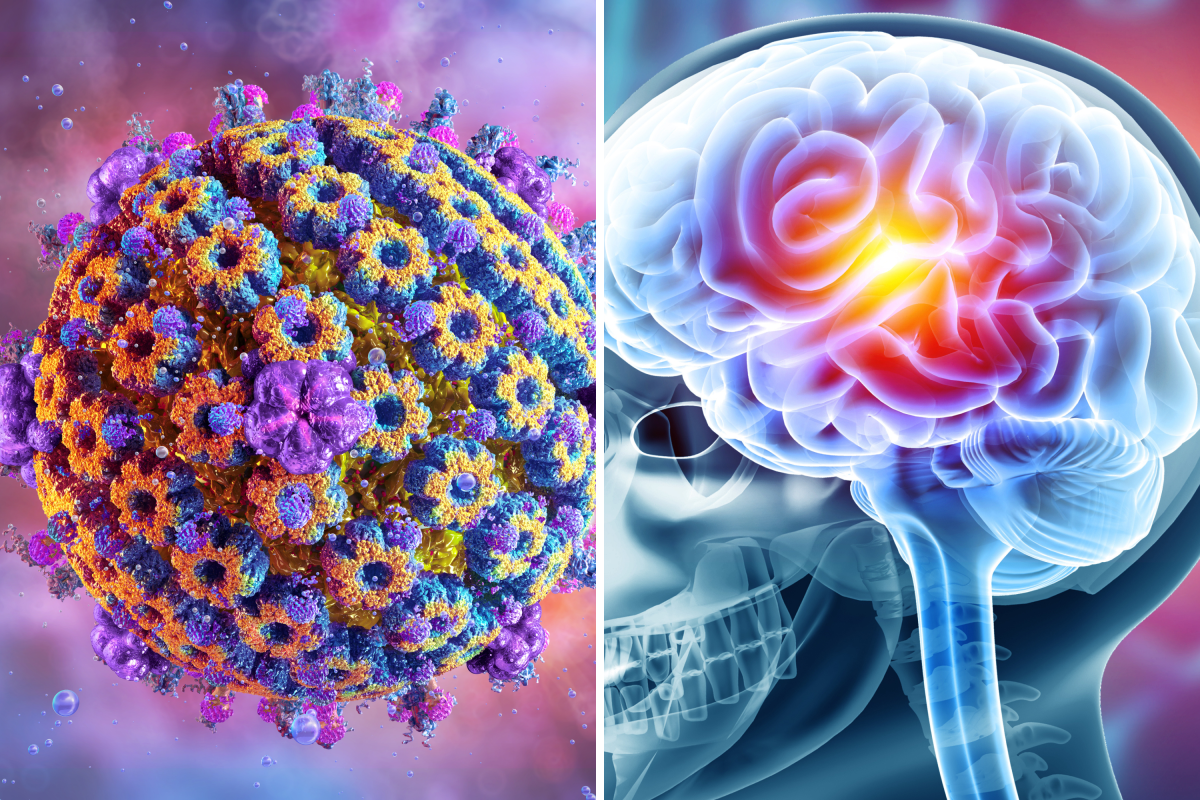
Virus Affecting 60 Percent of People May Hold Clues to Alzheimer’s Risk
Summary
New research from the University of Colorado Anschutz shows that a common virus called herpes simplex virus type 1 (HSV-1), which causes cold sores, can change how brain immune cells work. These changes might help explain why this virus could be linked to a higher risk of Alzheimer’s disease.Key Facts
- HSV-1 infects more than 60% of people worldwide.
- The virus affects microglia, brain cells that normally protect and maintain brain health.
- When infected, microglia activate strong antiviral responses using molecules called interferons.
- This antiviral activation reduces the cells’ ability to perform their usual maintenance and protective roles.
- The changes in microglia resemble those seen in people with genetic risks for Alzheimer’s, such as those carrying the ApoE4 gene.
- Researchers also found changes in chromatin, which affects gene activity in the brain cells after HSV-1 infection.
- Alzheimer’s disease results from many genetic and environmental factors, and ongoing research is exploring how viruses like HSV-1 may play a role.
- Scientists hope to find ways to improve brain immune cell function to lower Alzheimer’s risk without losing their infection-fighting ability.
Read the Full Article
This is a fact-based summary from The Actual News. Click below to read the complete story directly from the original source.


