Why Are Muslim Candidates Still Being Treated As Suspects? | Opinion
Summary
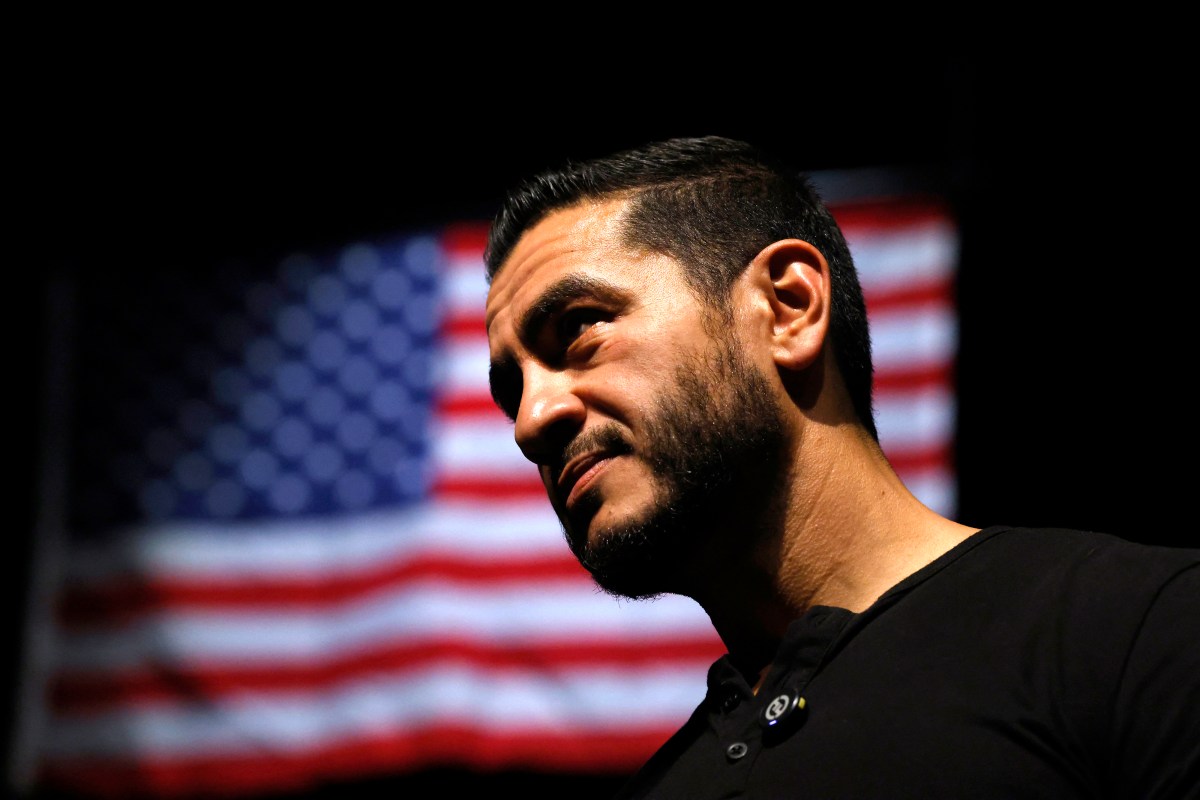
President Donald Trump made remarks targeting Abdul El-Sayed, a Muslim Democratic Senate candidate from Michigan, including calling him by the wrong name and labeling him a security threat without evidence. A report from Rutgers Law School shows that Muslim candidates in the U.S. often face suspicion, accusations, and discrimination solely because of their faith, even when they participate fully in democratic processes.Key Facts
- President Trump called Abdul El-Sayed “Muhammad” instead of his real name at a campaign rally.
- Trump accused El-Sayed of being a “jihadist” and linked him to the Muslim Brotherhood without proof.
- A Rutgers Law School report studied over 30 cases of Muslim candidates and officials facing discrimination from 2001 to 2026.
- Muslim candidates are often accused of being security risks just because of their religion.
- Even Muslim Americans born in the U.S., like Keith Ellison, have faced suspicion when running for or holding office.
- Representative Nancy Mace said every Muslim in public office is a “trojan horse” and a security threat.
- Muslim candidates face pressure to prove their loyalty to the country beyond what other candidates face.
- Muslim participation in politics is sometimes wrongly seen as evidence of institutional infiltration or threat.
Read the Full Article
This is a fact-based summary from The Actual News. Click below to read the complete story directly from the original source.