Marine life in Gulf of Mexico has still not fully recovered from 2010 BP oil spill
Summary
A new study shows that marine life in the Gulf of Mexico dropped by about 60% after BP’s 2010 Deepwater Horizon oil spill and has not yet fully recovered. The spill released 134 million gallons of oil, causing long-lasting damage to important sea animals and ecosystems. Researchers found that the oil and chemical cleanup agents harmed many species, lowering their numbers and genetic diversity.Key Facts
- The Deepwater Horizon spill in April 2010 released 134 million gallons of oil into the Gulf of Mexico.
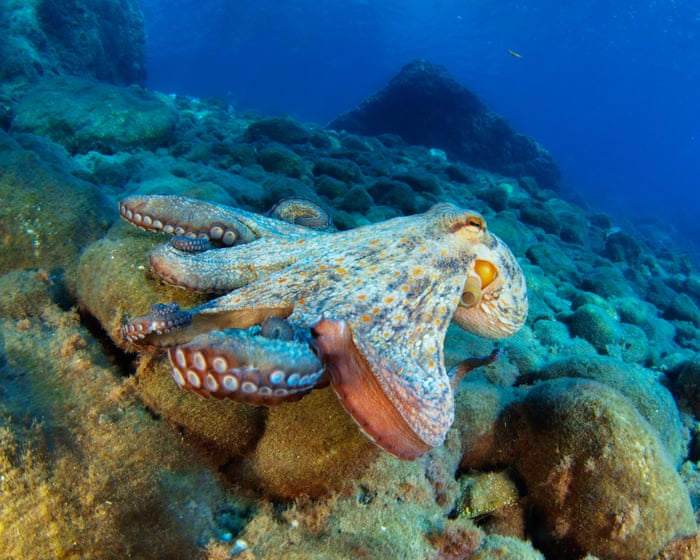
- Marine life populations dropped sharply between 2011 and 2015: fish by 63.5%, shrimp and krill by 62%, and squid and octopus by nearly 60%.
- Some key species like krill and lanternfish fell by over 60%, affecting the ocean food chain.
- The population decline was faster and more severe than any recorded in 60 years.
- Chemical dispersants used to break up the oil spread toxic substances deeper into the water, harming deep-sea creatures.
- Residual oil remained in fish eggs and tissues years later, reducing reproduction and affecting behaviors like mate-finding.
- The study highlights the fragility of deep ocean ecosystems and warns about long-term impacts of oil spills and cleanup methods.
- Scientists call for careful protection of deep ocean life during future spill responses.
Read the Full Article
This is a fact-based summary from The Actual News. Click below to read the complete story directly from the original source.