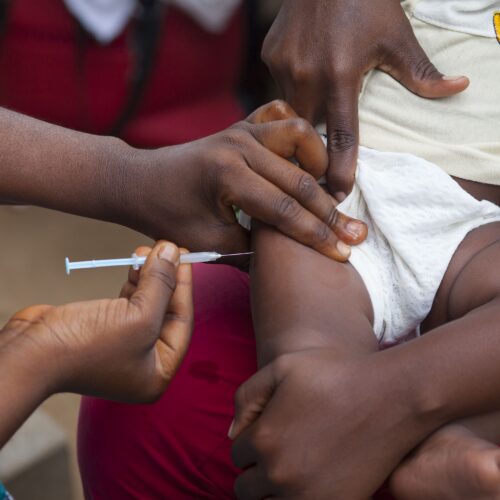
US-backed vaccine trial on babies canceled after international outcry
Summary
Guinea-Bissau’s government has officially rejected a clinical trial planned by Danish researchers and funded by the US, which would study possible harms from the newborn dose of the hepatitis B vaccine. The trial faced strong criticism from experts and the World Health Organization because it would withhold the vaccine from some babies in a country with high rates of hepatitis B.Key Facts
- The hepatitis B vaccine is recommended worldwide for newborns and has been used safely for many years.
- Guinea-Bissau’s Council of Ministers formally rejected the vaccine trial on October 16.
- Police in Guinea-Bissau raided the research group’s offices and took vaccines after the trial was rejected.
- The trial would have given half the babies no hepatitis B vaccine, which experts called unethical given the risks of the disease.
- The World Health Organization said there is no good scientific reason to do the trial and that it puts babies at unnecessary risk.
- The US Centers for Disease Control and Prevention (CDC) provided $1.6 million funding to the researchers, stirring public outcry.
- The lead researchers have been criticized and are under investigation for previous research conduct.
- Guinea-Bissau currently does not provide the newborn hepatitis B vaccine routinely but plans to start in 2028; ethical rules say trials should use the best current care available globally, not just what is offered locally.
Read the Full Article
This is a fact-based summary from The Actual News. Click below to read the complete story directly from the original source.