The Deficit Era Is Ending as Big-Spending Populists Take Control
Summary
Many governments face higher borrowing costs, making it harder to fund promises like lower taxes and more benefits. France and the U.S. both struggle with rising debt and slow economic growth, which may lead to bigger budget deficits and higher interest expenses.Key Facts
- France’s 10-year borrowing rate recently rose above 5%, increasing the cost of government debt.
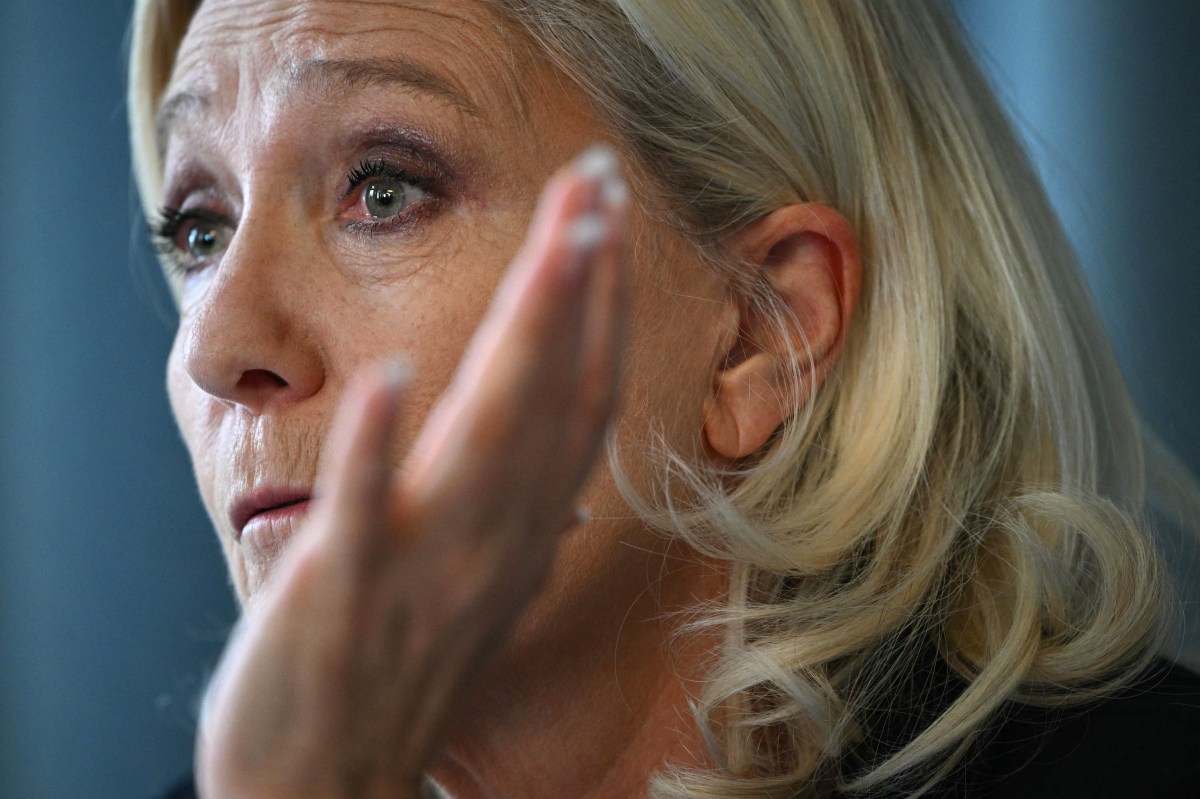
- Marine Le Pen, a far-right French presidential candidate, promises earlier retirement and deficit reduction but will face higher borrowing costs.
- The IMF reports that G7 countries see their average 10-year government bond yields at the highest level in 20 years.
- Aging populations and demands for defense, energy, and infrastructure increase government spending needs.
- France’s public debt is expected to reach 118.5% of GDP in 2024 with slow economic growth of 0.4%.
- Interest expenses for France’s debt are projected to rise from 2.2% of GDP in 2025 to 3.7% in 2030.
- In the U.S., new tax and spending laws under President Trump could add $4.7 trillion to deficits over 2026-2035.
- Rising interest payments in both countries reduce money available for other government services or tax cuts.
Read the Full Article
This is a fact-based summary from The Actual News. Click below to read the complete story directly from the original source.