‘It’s part of our history’: can the menú del día survive Spain’s changing eating habits?
Summary
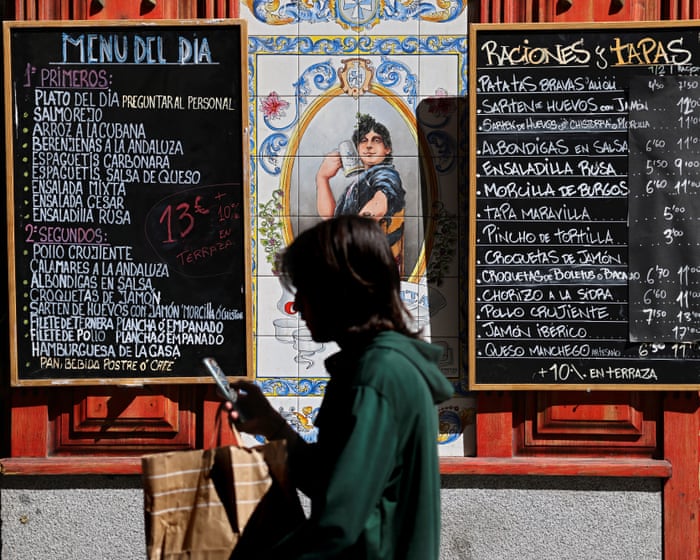
The menú del día is a traditional set-price lunch in Spain that has been part of daily life for over 50 years. It started in the 1960s during the Franco dictatorship to attract tourists but became popular with locals. Today, the menú del día faces challenges because of changing eating habits and economic pressures, though it still serves millions each day.Key Facts
- The menú del día is a fixed-price lunch that includes a starter, main dish, pudding or coffee, bread, and a drink.
- It began in the mid-1960s under Franco’s regime to show tourists that Spanish food was good and affordable.
- The original menu required three main course options based on eggs, fish, or meat, with sides.
- Prices back then ranged from 50 to 250 pesetas, with rules about the quality of wine served.
- In the 1970s, the menu was renamed to appeal more to everyday Spanish people, not just tourists.
- Today, about 4 million menú del día lunches are served every weekday in Spain.
- Challenges include busy lifestyles, more people eating quick meals at work, and higher food and energy costs affecting family-run restaurants.
- The menú del día is seen as a cultural tradition, but it is slowly disappearing from everyday life.
Read the Full Article
This is a fact-based summary from The Actual News. Click below to read the complete story directly from the original source.