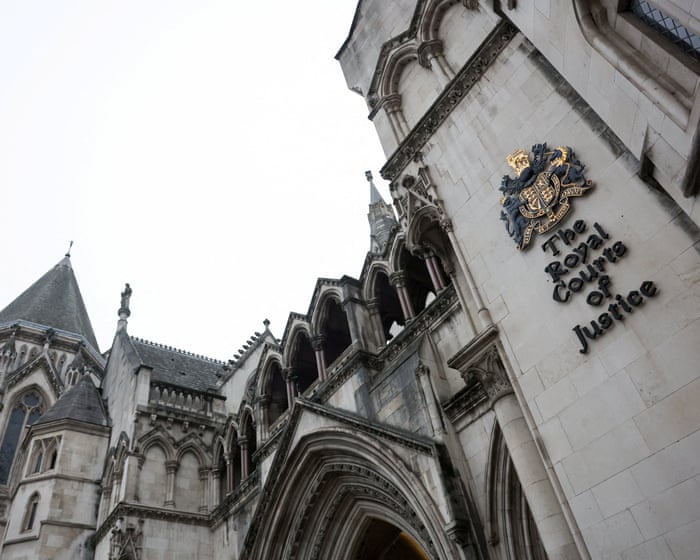
Guardian and ITN have ‘duty to public and sources’ to publish sexual allegations against well-known figure, court hears
Summary
The Guardian and ITN told the High Court they have a duty to publish allegations of exploitative sexual behaviour against an anonymous public figure, known as PPT, despite his claim that publication could put his life at risk. PPT denies the allegations and is seeking an injunction; the trial has concluded, and a judge is considering his ruling.Key Facts
- PPT is seeking to block publication by citing his rights to life, protection from inhuman or degrading treatment, and privacy under the European Convention on Human Rights.
- The Guardian and ITN argue that freedom of expression and the public interest support publication.
- The media organisations said their investigation spoke to more than 100 people, including 30 who gave first-hand accounts.
- The media organisations said sources wanted their allegations made public to help protect other women and disclose the alleged conduct.
- PPT's legal team cited two previous suicide attempts and argued that publication could lead to his death.
- An independent expert could not determine whether suicide was inevitable if the allegations were published or whether treatment could remove all risk.
- The expert said the risks could be reduced if publication occurred while PPT was receiving inpatient psychiatric care.
- The media organisations said they had extended deadlines and delayed publication so PPT could seek an injunction and have the case heard.
Read the Full Article
This is a fact-based summary from The Actual News. Click below to read the complete story directly from the original source.