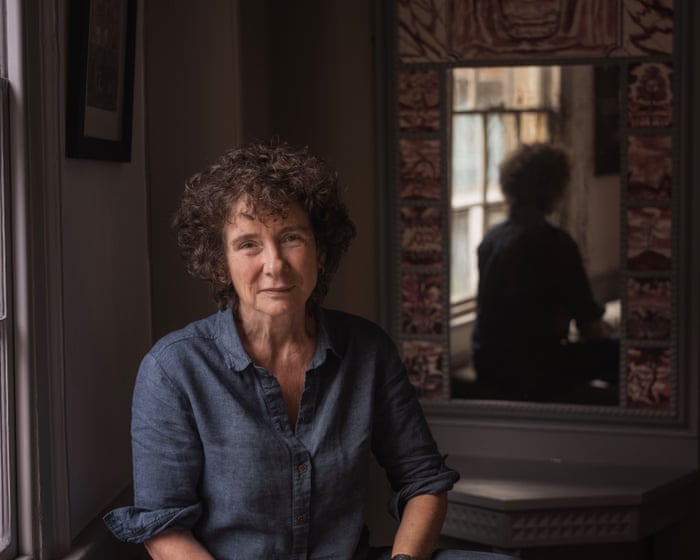
‘There is no inevitable dystopia’: Jeanette Winterson on AI and the future of humanity
Summary
Writer Jeanette Winterson argues that artificial intelligence could reshape society and should be guided by a clear understanding of human needs and values. She sees the future as a choice, while warning that unfairly shared gains and the environmental costs of data centres could deepen existing problems.Key Facts
- Winterson published the essay collection 12 Bytes in 2021, exploring how artificial intelligence could affect people’s lives.
- Her 2007 novel The Stone Gods depicts a post-climate-catastrophe world with robots and humans who do not age.
- Winterson says she prefers the term “alternative intelligence” to artificial intelligence and views it as more than a tool.
- She imagines using AI to examine areas such as transport, utilities, employment and working hours to improve people’s lives.
- Winterson compares the current moment to the Industrial Revolution and asks what kind of future society should build.
- She warns that AI’s benefits could be distributed unfairly, leaving many people and regions behind.
- The article also raises the environmental impact of data centres as a concern.
Read the Full Article
This is a fact-based summary from The Actual News. Click below to read the complete story directly from the original source.