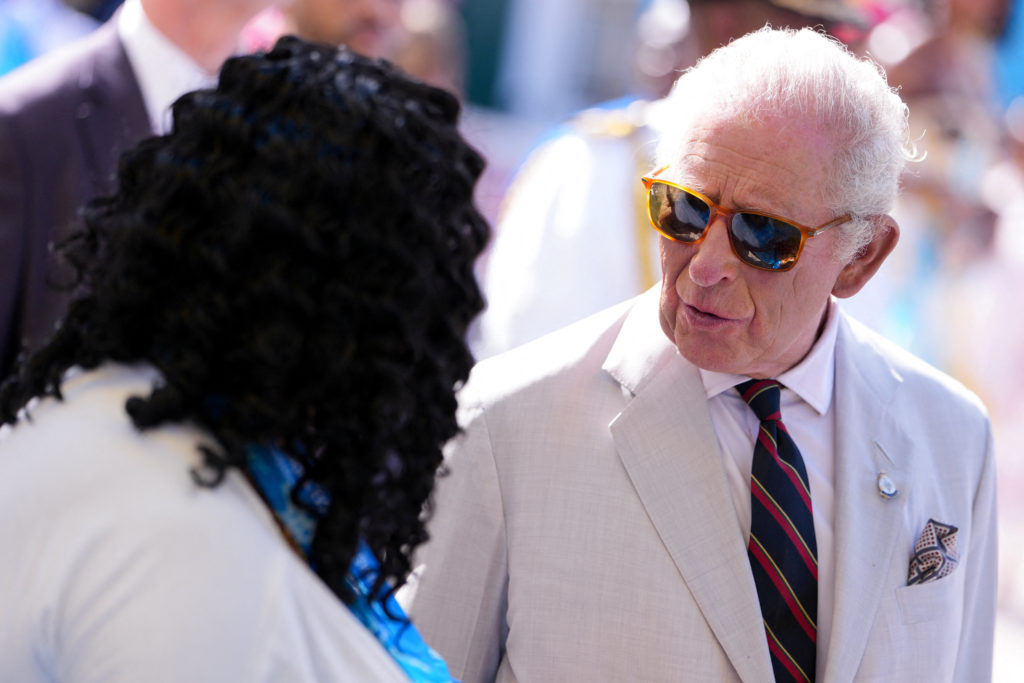
King Charles III can't escape Britain's role in slavery as he tours Caribbean nations
Summary
King Charles III is touring the Bahamas, Guyana, and Antigua and Barbuda as calls grow for Britain to apologize and pay reparations for slavery. The palace says he will acknowledge the suffering and injustice, but he is not expected to apologize; the United Kingdom abstained from a recent United Nations resolution calling for reparatory justice.Key Facts
- The king’s nine-day tour includes the Bahamas, Guyana, and Antigua and Barbuda.
- At a youth rally in Nassau, Charles said it was right to acknowledge the suffering and injustices of the past.
- Historian Brooke Newman argues that British monarchs profited directly from the transatlantic slave trade.
- Newman says Queen Elizabeth I backed John Hawkins’ slave-trading voyage in 1563 and received a share of its profits.
- King Charles II granted the Royal African Company exclusive trading rights on the West African coast; he and his brother, later King James II, invested in the company.
- Caribbean and African nations have increased calls for reparations from Britain and other countries that profited from slavery.
- In March, the United Nations General Assembly approved a resolution calling for reparatory justice, including an apology and compensation.
- The United Kingdom abstained from the United Nations vote.
Read the Full Article
This is a fact-based summary from The Actual News. Click below to read the complete story directly from the original source.