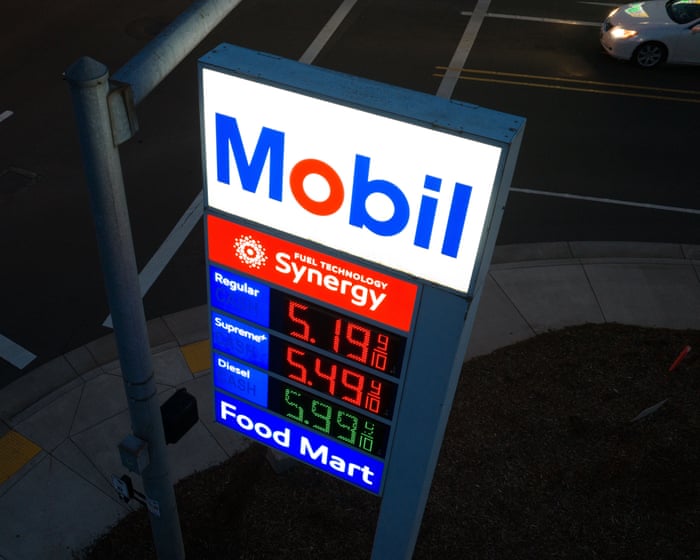
Oil flows are up as Iran war turmoil eases. Why do prices keep rising?
Summary
Gulf crude exports rose to above their pre-war average in the week ending October 18, but Brent prices remain more than 60 percent above pre-war levels. Market analysts cite fears of renewed fighting, lower oil stocks, and sharply higher shipping costs, while producers use ship-to-ship transfers and pipelines to keep oil moving.Key Facts
- Kpler data put Gulf crude exports at an average of 24.6 million barrels per day in the week ending October 18.
- Brent crude reached its highest price since April and briefly rose above $117 a barrel on Friday.
- Analysts said the risk of renewed hostilities and dwindling oil stocks are supporting prices.
- Oil shipments use ship-to-ship transfers off Oman and the United Arab Emirates to limit time in dangerous waters.
- More than 70 percent of crude that crossed the Strait of Hormuz in August used ship-to-ship transfers, according to Kpler.
- By September, 40 percent of Gulf exports bypassed the Strait of Hormuz, up from 17 percent before the war.
- Freight costs reached as much as $40 per barrel in recent weeks, about 10 times the usual rate, according to London Stock Exchange Group data.
- UKMTO recorded 32 attacks on commercial vessels in October as of Friday, making it the deadliest month for such attacks since the war began.
Read the Full Article
This is a fact-based summary from The Actual News. Click below to read the complete story directly from the original source.