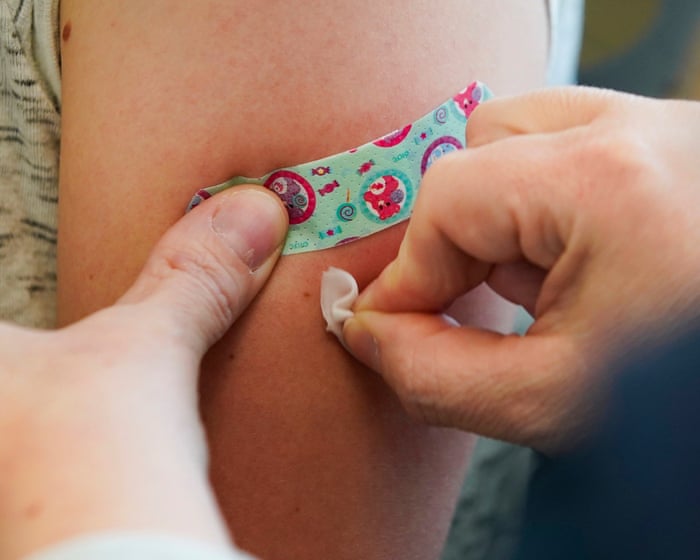
Families in the US are opting for earlier measles vaccinations amid outbreak
Summary
U.S. measles cases have risen, and some families are choosing to give children the second MMR vaccine dose earlier than the routine schedule. The CDC allows an early second dose, and evidence cited in the article indicates that two doses remain effective when given earlier.Key Facts
- The article reports twice as many confirmed U.S. measles cases as in the previous year.
- The CDC typically recommends the first MMR dose after age one and the second between ages four and six.
- The second MMR dose can be given as soon as four weeks after the first.
- Some parents have moved the second dose earlier because of measles outbreaks, including one family that gave it three months after the first dose.
- The routine timing of the second dose helps ensure children are vaccinated before kindergarten and reduces extra doctor visits.
- The CDC recommends a first measles vaccine dose at six months in certain situations, including outbreaks, international travel, or exposure; infants in these cases should later receive three doses.
- Germany moved its second-dose recommendation to four weeks after the first in 2020.
Read the Full Article
This is a fact-based summary from The Actual News. Click below to read the complete story directly from the original source.


