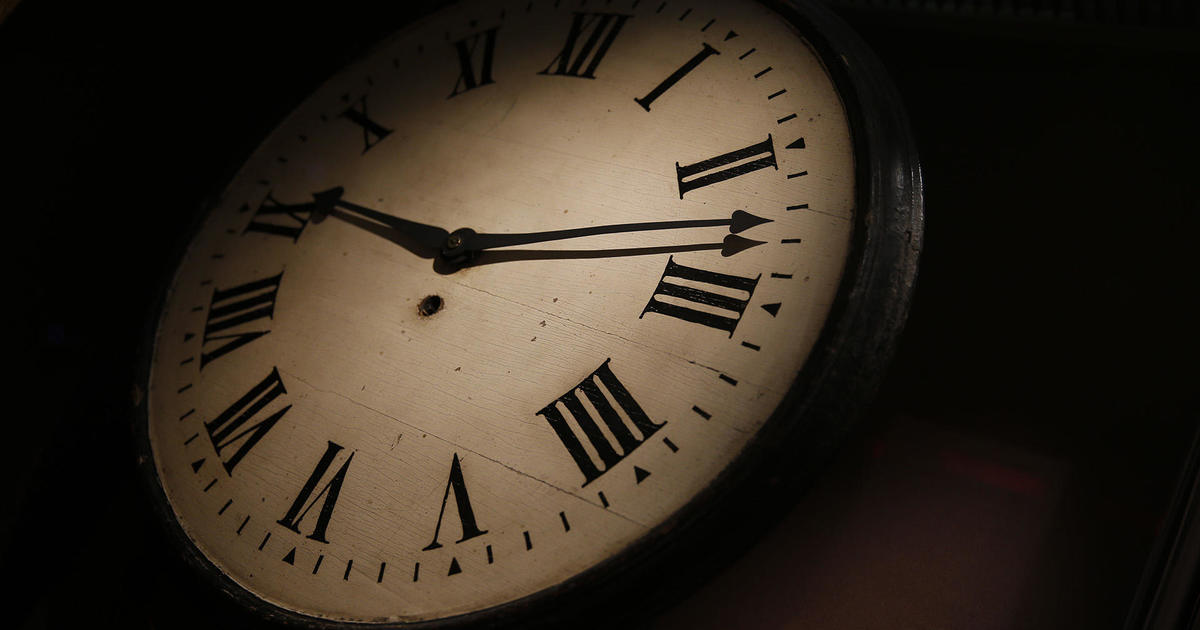
Why was daylight saving time started? Here's what you need to know.
Summary
Daylight saving time began as a way to make better use of daylight and, during wartime, to conserve fuel. Germany adopted it in 1916, the United States followed in 1918, and Congress later established the current system of changing clocks twice a year.Key Facts
- Benjamin Franklin’s 1784 essay about early rising was satirical and did not propose the modern clock-change system.
- New Zealand entomologist George Hudson proposed shifting clocks in 1895 to gain more daylight for collecting insects.
- British builder William Willett promoted advancing clocks in spring in a 1907 pamphlet.
- Germany became the first country to adopt daylight saving time in 1916, aiming to reduce fuel use.
- The United States adopted daylight saving time in 1918, but Congress repealed it the following year over President Woodrow Wilson’s veto.
- The United States used daylight saving time nationwide year-round during World War II.
- The 1966 Uniform Time Act established the system of clocks moving forward in spring and back in fall.
- A 1974 attempt to keep daylight saving time year-round ended after a few months; the twice-yearly clock changes continued.
Read the Full Article
This is a fact-based summary from The Actual News. Click below to read the complete story directly from the original source.