The US founders made a grave error in granting presidents pardon power | James Rosen
Summary
The article argues that the U.S. Constitution gives presidents broad pardon authority and says Donald Trump’s use of it shows the risks George Mason warned about. It recounts the debate at the 1787 Constitutional Convention, where delegates rejected proposals to limit the power, including for treason.Key Facts
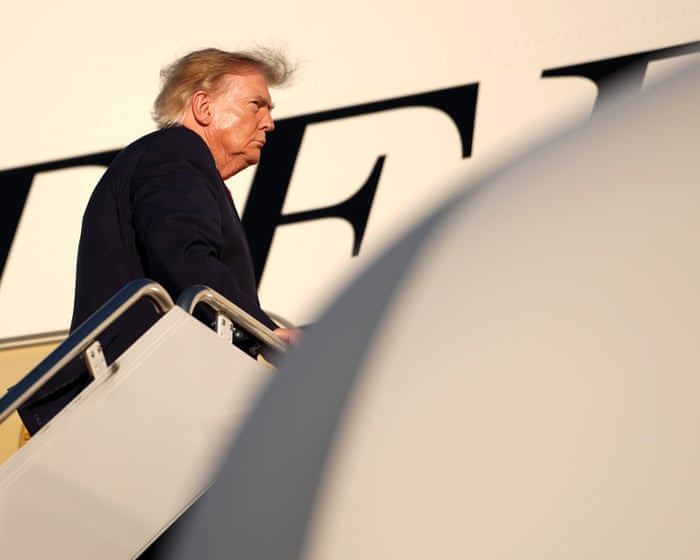
- Trump pardoned more than 1,500 people convicted or charged in connection with the January 6, 2021, Capitol attack on the first day of his second term, according to the article.
- The article cites reports by the New York Times, Wall Street Journal and 60 Minutes about alleged payments offered in exchange for presidential clemency.
- At the 1787 Constitutional Convention, George Mason objected to giving the president broad pardon power, warning that a president might pardon crimes he had encouraged.
- Mason also warned that a president could use pardons for treason to protect people acting at his direction and prevent disclosure of his own involvement.
- Delegates rejected proposals to limit the president’s pardon power, including a proposal to exclude treason.
- At the Virginia Ratifying Convention in 1788, James Madison argued that a president who abused the pardon power could face impeachment and removal.
- Mason was one of three Constitutional Convention delegates who refused to sign the Constitution.
Read the Full Article
This is a fact-based summary from The Actual News. Click below to read the complete story directly from the original source.