War, tariffs and China: What the US midterms mean for the Asia-Pacific
Summary
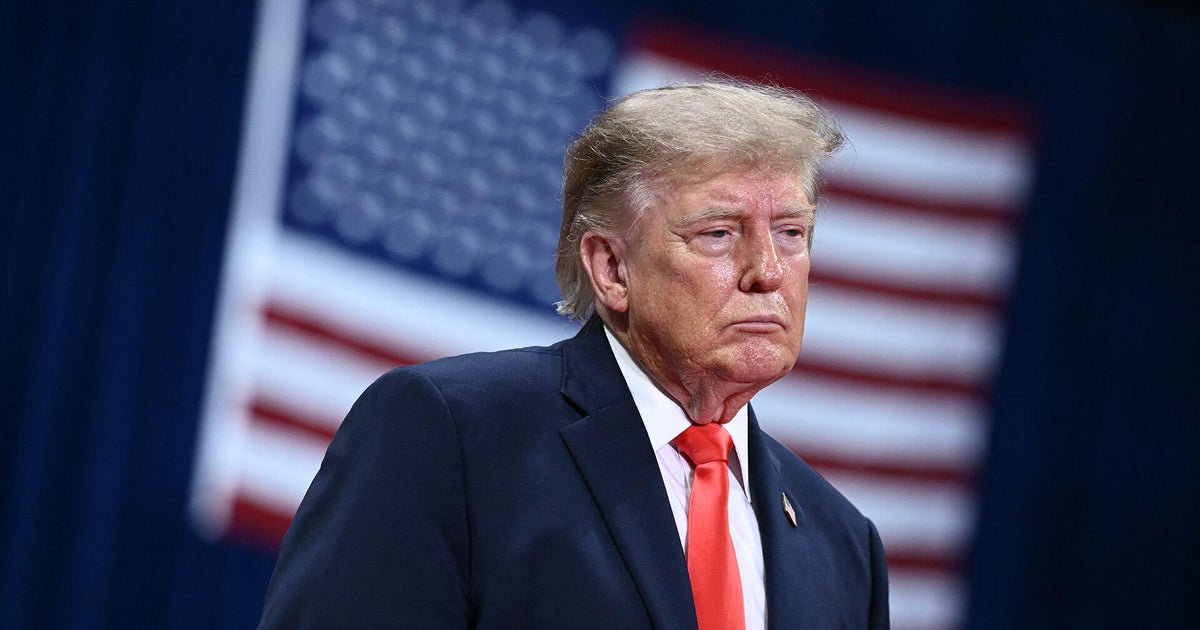
Asia-Pacific governments and businesses are watching the U.S. midterm elections as the Iran war and U.S. tariffs strain the region. Analysts say a Democratic-controlled Congress could investigate the war but is unlikely to end it or substantially change trade policy, since President Donald Trump can veto legislation and Congress lacks the votes to override him.Key Facts
- The U.S. midterm elections are scheduled for Tuesday, November 3, 2026.
- Democrats are poised to take the House of Representatives and may take the Senate from the Republicans, according to the article.
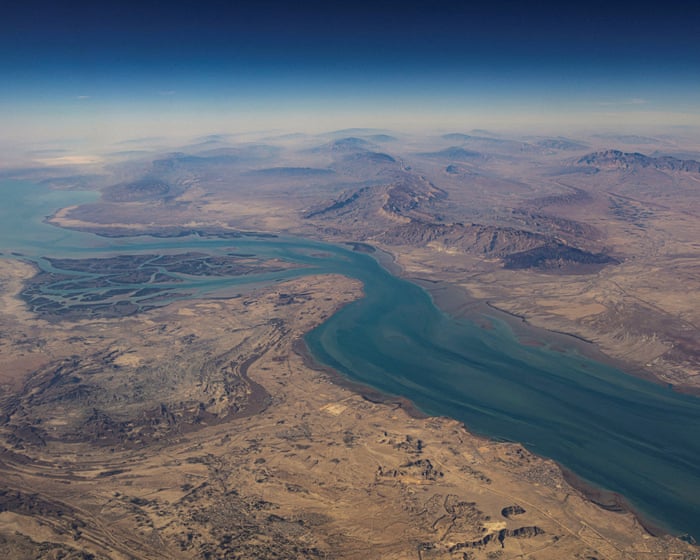
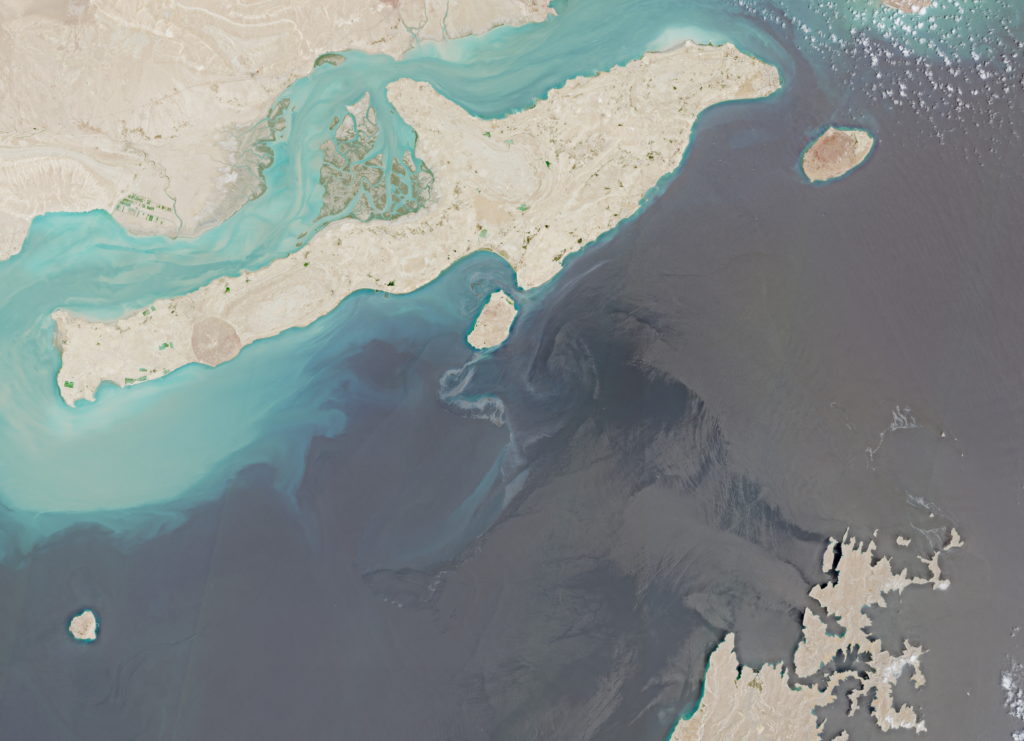
- The article says Iran closed the Strait of Hormuz after U.S. and Israeli strikes, disrupting oil and gas supplies to Asia-Pacific countries.
- The Philippines, which gets more than 90 percent of its crude oil imports from the Gulf, has been under a national energy emergency since March.
- Cambodia, Laos, Myanmar and East Timor have faced pressure on foreign exchange reserves from higher fuel costs, while Indonesia, Malaysia, Thailand and Vietnam have spent heavily on fuel subsidies, according to ISEAS-Yusof Ishak Institute.
- The article says the Supreme Court struck down Trump’s earlier reciprocal tariffs in February; in July, his administration imposed new tariffs on goods from 60 trading partners, citing imports made with forced labour.
- Analysts say Congress could hold oversight hearings on the Iran war, but Trump could veto legislation limiting military operations or funding, and overriding a veto requires a two-thirds majority in both chambers.
Read the Full Article
This is a fact-based summary from The Actual News. Click below to read the complete story directly from the original source.