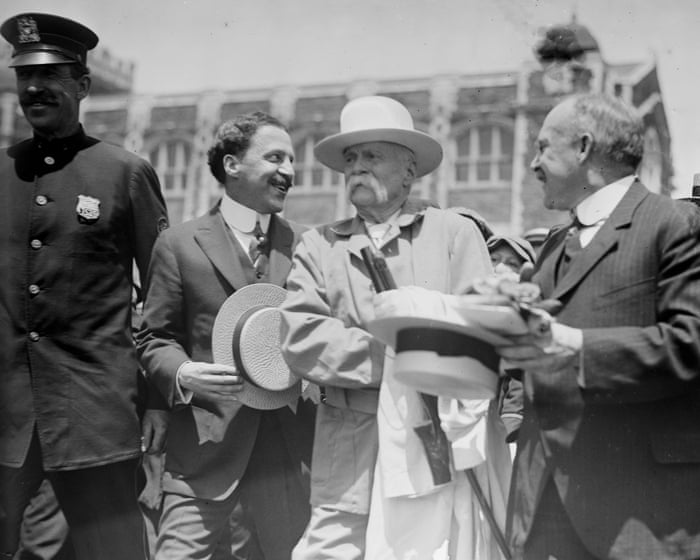
Champagne, cocaine and some very long walks: when pedestrianism ruled the sporting world
Summary
Edward Payson Weston’s 1860 wager to walk from Boston to Washington helped launch pedestrianism, a long-distance walking craze that became a major spectator sport in the late 19th century. Weston’s endurance feats and public profile helped popularize the sport, which staged grueling contests at venues including Madison Square Garden and the Oval in London.Key Facts
- Weston, a 21-year-old bookseller, wagered that he would walk 478 miles from Boston to Washington in under 10 days if Abraham Lincoln won the 1860 presidential election.
- Lincoln won on November 6, 1860, and Weston began his walk on February 22.
- Weston reached Washington on March 4, a few hours beyond his 10-day target after taking a wrong turn.
- Weston attended Lincoln’s inauguration ball and later met the president, who offered to pay his fare home; Weston said he would walk back.
- During the Civil War, Weston used his endurance to serve as a Union spy and dispatch-bearer.
- After the war, pedestrianism became one of the most popular spectator sports of the late 19th century.
- Weston’s first British tour in 1876 helped fuel competition between British and American walkers.
Read the Full Article
This is a fact-based summary from The Actual News. Click below to read the complete story directly from the original source.