Babies more likely to have heart defects from Louisiana’s areas with industrial pollution, study finds
Summary
A study of 454 infants treated at two Louisiana hospitals found that babies whose mothers lived in south-east Louisiana pollution hotspots had 4.3 times the odds of severe congenital heart defects compared with babies from low-pollution areas. The researchers examined possible exposure to 20 industrial toxins during early pregnancy, but the study found an association and does not establish that pollution caused the defects.Key Facts
- The study examined infants born from 2018 to 2021 who were hospitalized at two Louisiana hospitals that provide heart surgery for babies.
- Researchers used an EPA risk-screening database to assess potential exposure to industrial pollution based on mothers’ neighborhoods.
- The odds of heart defects were 3.1 times higher for infants from areas with intermediate pollution levels than for those from low-pollution areas.
- The researchers examined 20 toxins, including benzene, formaldehyde and toluene.
- The study excluded cases where mothers were recorded as smoking, drinking alcohol or having diabetes during pregnancy.
- Of the 454 infants studied, 194 had severe heart defects, and 38 died during the study period.
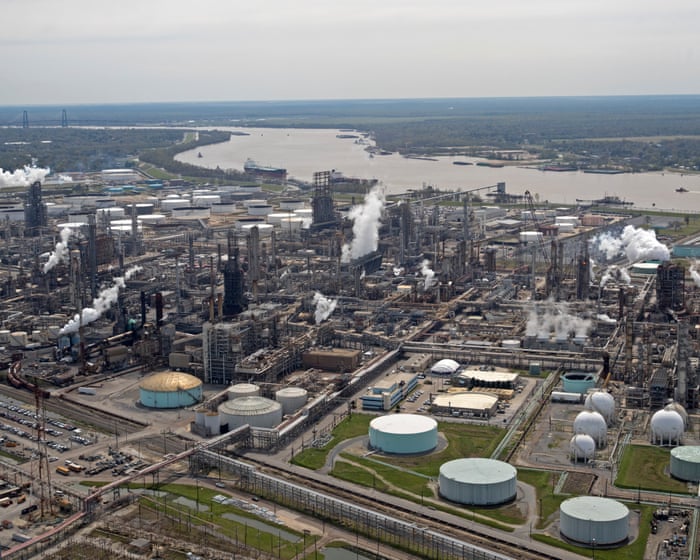
- Petrochemical facilities are Louisiana’s largest source of toxic pollution, according to the article.
Read the Full Article
This is a fact-based summary from The Actual News. Click below to read the complete story directly from the original source.