Three ways the interest rate rise could affect you
Summary
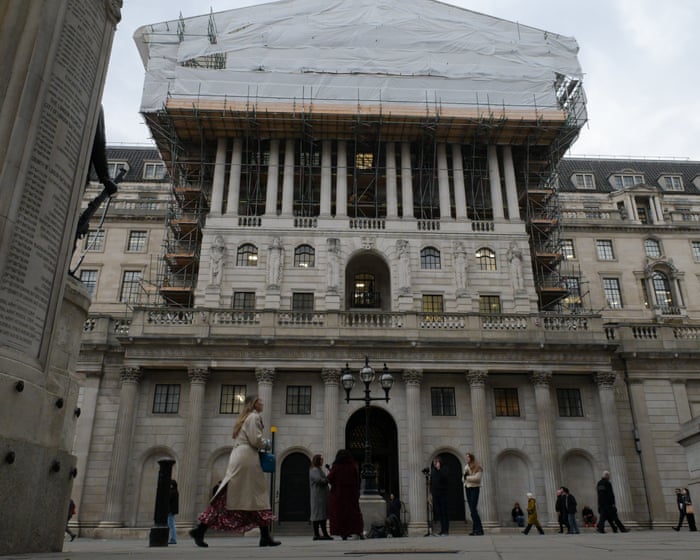
The Bank of England raised its interest rate from 3.75% to 4%, its first increase in more than three years. The rise may support savings returns but could raise borrowing costs, affect jobs and pay, and increase some homeowners’ mortgage payments.Key Facts
- The Bank raises rates to curb spending and demand, which can help limit price rises.
- Higher borrowing costs and weaker customer spending may make businesses less likely to hire or offer pay rises.
- Some businesses say higher rates could encourage them to use more automation and robotics.
- Savers may get better returns, but people with older savings accounts could earn less than customers who switch to current deals.
- Moneyfacts estimates that savers who left £20,000 in closed accounts missed out on £139 over three years compared with on-sale easy-access accounts.
- About 500,000 homeowners have mortgages that track the Bank of England rate; a typical borrower will pay about £31 more per month after the increase.
- Another 500,000 homeowners with standard variable-rate mortgages may see lenders pass on the rise, which would typically add about £14 a month.
- Fixed-rate mortgage payments do not change during the current deal, but the rate rise can affect the cost of future deals.
Read the Full Article
This is a fact-based summary from The Actual News. Click below to read the complete story directly from the original source.