Peanut allergy study finds babies should be retested. Here's what to know.
Summary
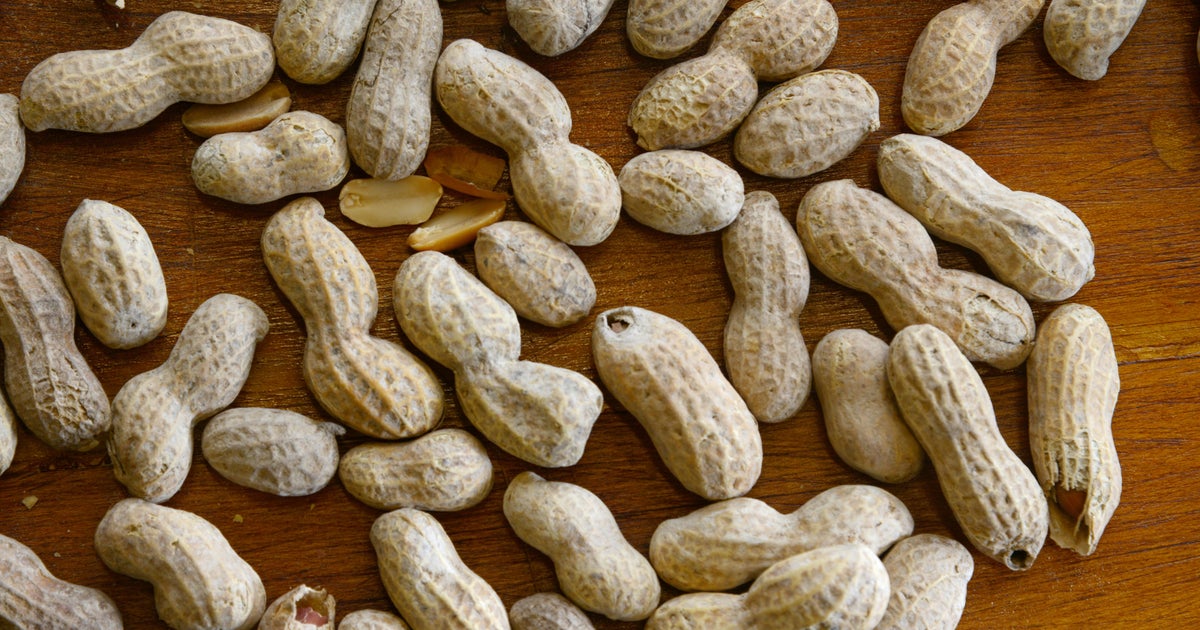
An Australian study found that 34.8% of infants diagnosed with peanut allergy after a reaction and a positive test showed no allergic reaction during a supervised oral food challenge. Researchers say clinicians should consider such challenges to confirm a diagnosis, and experts warn families not to test peanut tolerance at home.Key Facts
- The study was conducted by the Murdoch Children's Research Institute and the National Allergy Centre of Excellence and published in The Journal of Allergy and Clinical Immunology.
- The infants had recently reacted to peanuts and tested positive for peanut allergy.
- During oral food challenges, clinicians gave infants gradually increasing amounts of peanut under medical supervision.
- Researchers classified infants who had no adverse reaction during the challenge as peanut tolerant and removed their allergy label.
- National Allergy Centre of Excellence Director Kirsten Perrett said clinical history and allergy tests alone did not accurately diagnose allergy in many cases.
- Dr. Tania Elliott said 12% of the babies had anaphylaxis, a severe allergic reaction, during the challenges.
- Elliott advised parents to discuss testing with an allergist and said oral food challenges should take place in a monitored medical setting.
- The article says about one in 50 children in the United States has a peanut allergy.
Read the Full Article
This is a fact-based summary from The Actual News. Click below to read the complete story directly from the original source.