New Zealand faces weeks of uncertainty with election ‘too close to call’
Also reported by Al Jazeera
Summary
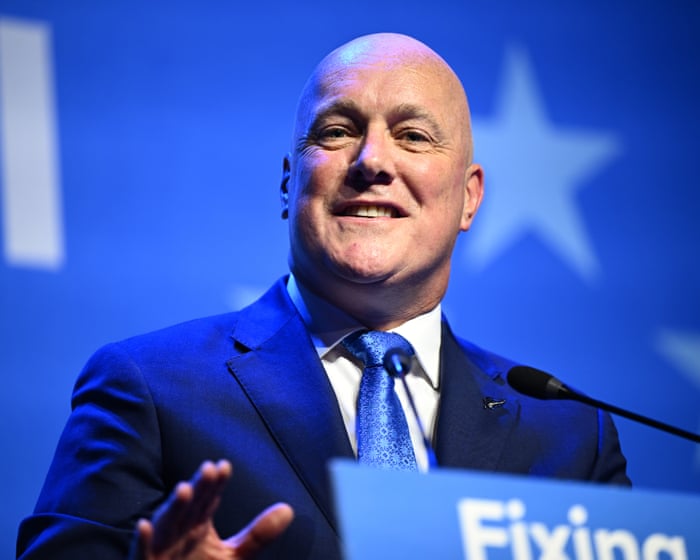
New Zealand’s preliminary election results give Prime Minister Christopher Luxon’s centre-right coalition a narrow path to govern, but special votes could change the balance. Official results are due on 27 November, so negotiations over the next government may have to wait.Key Facts
- National won 42 seats, Act won 13 and New Zealand First won 12, giving the current coalition 67 seats in preliminary results.
- Labour won 35 seats, the Greens won 16 and Te Pāti Māori won five.
- The left bloc is three seats short of a majority without the seven seats won by the centrist Opportunity party.
- Opportunity received 5.9% of the vote, enough to enter Parliament for the first time since New Zealand adopted its mixed-member proportional electoral system in 1996.
- Special votes, including overseas ballots and votes cast outside a voter’s electorate, have not yet been counted.
- In the 2023 election, special votes accounted for 21% of ballots issued and helped the Greens and Te Pāti Māori gain three seats combined.
- National’s share of the party vote was 0.02 percentage points higher than Labour’s.
- Luxon and Labour leader Chris Hipkins both said the final government outcome would not be clear until votes were counted.
Read the Full Article
This is a fact-based summary from The Actual News. Click below to read the complete story directly from the original source.